Understanding the Terroir of Agave in Mezcal Production
In this blog post. We talk about the terroir of Agave. Impact of high altitude vs lowland. How water stress impacts flavor profile. Open air fermentation for site specific terroir. Geography & Mineralogy of Agave. Clay vs Copper stills. Then measuring of brix when harvesting Agave.
SPIRITS
6/23/20268 min read
Summary
Explaining the terroir of of Agave and its role in Mezcal
High Altitude vs Lowland
Impact of water stress
Open air fermentations impact on site specific terroir
Geography & Mineralogy of Agave
Clay vs Copper Stills
Measuring Brix when harvesting Agave.
What is Terroir and Its Significance in Mezcal Production?
Terroir is a term that originates from French viticulture, referring to the unique interplay of environmental factors that contribute to the characteristics of agricultural products, particularly wines. In the context of mezcal production, terroir encompasses the geographical, geological, and climatic conditions that influence the growth of agave plants, ultimately shaping the flavors and aromas of the spirit produced from them. Mezcal terroir is a vital component that differentiates one mezcal from another, offering each bottle a distinct narrative and identity.
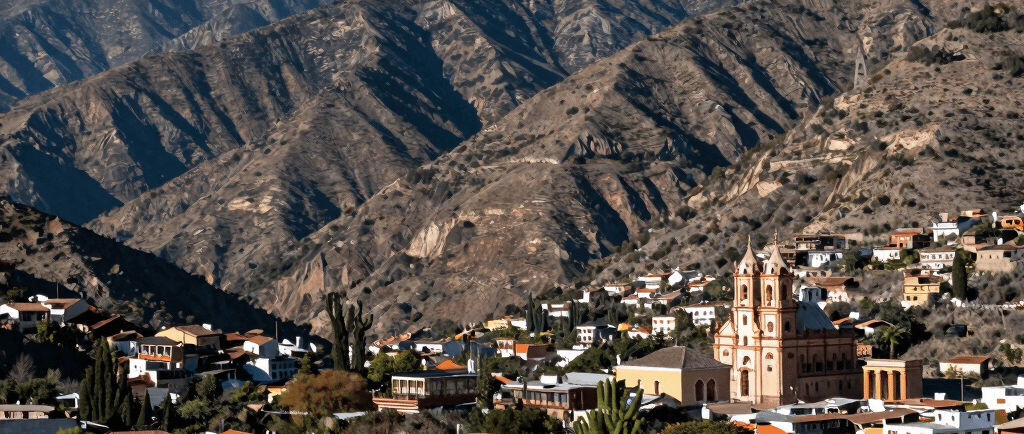
The significance of terroir in mezcal production can be attributed to various environmental elements, including soil type, altitude, climate, and local flora. Different regions in Mexico, where agave is cultivated, showcase a wide variety of these factors, which can dramatically affect the profile of the final product. For example, agave cultivated in mountainous regions may develop different flavor notes compared to those grown in lowland areas due to variations in sunlight, rain, and temperature.
Furthermore, the presence of wild or cultivated plant species in the vicinity of agave fields can introduce specific aromatic compounds into the mezcal, adding complexity to the flavor spectrum. As each producer tends to their agave with different techniques and traditions, the concept of artisanality intertwines with terroir, enhancing the uniqueness of each mezcal produced. Consequently, the essence of terroir is not solely in the land but also in the cultural practices and knowledge passed down through generations.
Ultimately, understanding terroir is essential for both producers and consumers of mezcal. It educates consumers on the intricate factors that influence taste and aroma, allowing for a richer appreciation of this traditional Mexican spirit. The relationship between agave cultivation and terroir serves as a reminder of the importance of environmental stewardship in the production of authentic mezcal, ensuring that these unique flavors continue to guide enthusiasts on their tasting journeys.
High Altitude vs. Lowland Agave: The Impact on Sugar Density and Mineral Composition
The cultivation of agave, a crucial plant in mezcal production, is significantly influenced by the altitude at which it grows. Generally, agave varieties can be classified into two categories: high-altitude agave, like Tobala, and lowland agave, such as Espadin. The geographical variances exert a notable impact on two critical components of agave—sugar density and mineral composition—both of which are essential in determining the flavor profile and overall quality of the resulting mezcal.
High altitude conditions subject agave to lower oxygen levels and greater temperature fluctuations, resulting in a slower maturation rate. During this prolonged maturation period, the agave plants accumulate sugars more effectively, enhancing their sugar density. The slower growth process at higher elevations not only leads to richer sugars but also enables the absorption of specific minerals from the soil that are crucial in defining the mezcal's characteristic flavors. This mineral composition is often reflected in the resultant mezcal’s complexity, leading to a more nuanced tasting experience for consumers.
Conversely, lowland agave varieties experience a more rapid growth cycle facilitated by warmer temperatures and plentiful sunlight. While the faster maturation contributes to higher yields, it often comes at the cost of lower sugar density and a less diversified mineral profile. Consequently, mezcals produced from lowland agave tend to exhibit more straightforward flavors, which may appeal to a different segment of the market. Understanding these distinctions is vital for both producers and consumers, as the elevation at which agave is harvested plays a definitive role in the tasting notes and quality of mezcal.
The Role of Water Stress Index in Agave Terroir
The water stress index plays a significant role in shaping the terroir of agave, which is essential in mezcal production. Understanding how water availability influences agave is crucial for both growers and consumers seeking quality mezcal. Water stress impacts the physiological processes within the agave plant, directly affecting its growth, development, and flavor profile. Agaves thrive in regions with precise water conditions; however, they also possess the ability to adapt to varying degrees of water availability.
When agave plants experience limited water supply, they undergo stress, which triggers several metabolic changes. This stress often results in the concentration of flavor compounds and sugars within the plant, leading to more nuanced and complex flavors in the finished mezcal. The interplay between water availability and stress not only influences the plant’s taste but also its aromatic profiles, which ultimately determine the character of the final product. Therefore, growers intentionally cultivate agave under specific water regime conditions to enhance desired flavor characteristics.
Moreover, different microclimates present various levels of water stress, which further contributes to the agave’s terroir. Microclimates can create unique growing environments shaped by elevation, temperature, soil type, and precipitation patterns. For instance, agave grown in drier regions may develop more intense flavors compared to those in areas with consistent rainfall. Understanding these microclimates and their influence on water stress can guide producers in selecting the best locations for agave cultivation, thereby optimizing the quality of mezcal.
Overall, the water stress index is a critical factor in understanding agave terroir, significantly impacting both the taste and quality of mezcal. As producers continue to refine their cultivation techniques in light of these factors, the appreciation of terroir-driven mezcal will likely grow among enthusiasts and connoisseurs alike.
Microbial Fermentation: The Open-Air Advantage
The process of microbial fermentation plays a vital role in the production of mezcal, significantly influencing its terroir and flavor profile. Unlike industrial production methods that often utilize controlled environments, traditional mezcal production embraces open-air fermentation. This practice allows the inclusion of indigenous yeasts and bacteria from the surrounding ecosystem, which are paramount in the transformation of the agave sugars into alcohol. The natural flora present in the locality interacts with the agave, creating a symbiotic relationship that enhances the unique characteristics of the final product.
When mezcal is fermented in an open-air environment, it is exposed to a diverse array of microorganisms. These microbial communities contribute to spontaneous fermentation, a process that is largely dictated by ambient conditions, including temperature and humidity, as well as the specific geographic attributes of the agave-growing region. Variations in these factors lead to a different composition of yeasts and bacteria, which in turn influences the complex flavor profiles discovered in mezcal. For example, a mezcal produced in a humid coastal area may exhibit fruity and floral notes due to the presence of specific yeasts that thrive in such an environment.
Moreover, the local soil and flora surrounding the agave plants further aid in crafting a distinctive taste. As microbes interact with the wild yeasts and bacteria, they produce metabolites that lend unique flavors. This local microbial flora effectively encapsulates the character of the environment, allowing the mezcal to reflect its terroir. Consequently, each batch of mezcal may possess varying attributes based on its origin, showcasing the profound impact of open-air fermentation practices on the overall identity of the spirit. It is this combination of natural processes and local biodiversity that distinguishes mezcal in the realm of distilled beverages, making it a true expression of its geographical roots.
Geography and Mineralogy: Understanding Their Impact on Agave Flavor
The geographical features and mineral composition of the soil play critical roles in shaping the unique flavor profiles of mezcal. Regions where agave is cultivated exhibit diverse soils influenced by variables such as elevation, climate, and geology. This interplay of factors creates a distinctive terroir, or environment, where the agave plants thrive.
One influential geological component is volcanic soil, which is rich in nutrients and minerals essential for agave growth. These soils often contribute a mineralistic quality to mezcal, enhancing its flavors with a smoky or earthy character. The high mineral content commonly found in volcanic regions can lead to more complex taste profiles in the finished spirit. Similarly, limestone soils, characterized by their high calcium content, can impart a chalky texture and influence acidity, which is crucial in balancing flavors in mezcal.
Granite soils, prevalent in some mezcal-producing areas, are known for their excellent drainage capabilities. This property ensures that agave plants do not become waterlogged, allowing for intense root development and concentrating flavors in the hearts of the plants. Each of these soil types interacts with the local climate and rainfall patterns, further influencing the water availability to the agave. For instance, arid conditions lead to drought-resistant plants with heightened sugar concentrations, resulting in rich and bold flavors.
The specific terroir where agave is grown, influenced by its geographic and mineral characteristics, ultimately determines the unique attributes of mezcal. This complexity is why spirits from different regions can vary significantly, enriching the tasting experience and offering enthusiasts a diverse range of flavor profiles. Understanding the geographical and mineral aspects of agave cultivation helps elucidate how these factors can influence the overall quality and taste of mezcal.
The Influence of Distillation: Boiling Points and Material Choices
The distillation process is crucial in mezcal production, influencing the final flavor profile and overall quality of the spirit. One significant factor is the altitude at which distillation takes place. As altitude increases, the atmospheric pressure decreases, subsequently lowering the boiling point of water. This phenomenon can lead to a more efficient distillation process, allowing for different compounds to evaporate and concentrate at lower temperatures. Such conditions can impact the delicate balance of flavors extracted from the agave, resulting in a more nuanced profile unique to higher-altitude regions.
Moreover, the choice of distillation materials plays a pivotal role in determining the character of mezcal. Traditionally, mezcal is distilled in clay pot stills, which create a distinct taste profile. The porous nature of clay allows for the subtle interaction between the vapors and the still wall, imparting unique mineral qualities to the final product. As the vapor passes through the clay, it undergoes a filtration process where impurities and congeners are filtered out, thus enhancing flavor complexity.
Conversely, copper stills are favored by many contemporary mezcal producers for their thermal conductivity and ease of cleaning. Copper promotes more precise temperature control, which can be advantageous for capturing delicate aromas and flavors during distillation. The use of copper can yield a cleaner distillate, often sought after for premium expressions of mezcal. However, it might lack the earthy qualities that clay can provide.
In summary, both altitude and still materials significantly influence the mezcal’s distillation process. As producers experiment with different approaches, the interplay of these factors continues to shape the evolving character of mezcal, offering enthusiasts a diverse array of flavors to explore.
Measuring Quality: Brix Levels and the Variability of Agave Species
The quality of mezcal is deeply influenced by the type of agave used and the brix levels present at the time of harvest. Different agave species, such as Karwinskii and Potatorum, contribute distinct flavor profiles due to their unique characteristics. The brix level, which measures the sugar content in the agave, plays a crucial role in determining the sweetness and complexity of the final product. Refractometers, devices that measure the refractive index of liquids, are typically employed to gauge these brix levels precisely before the agave is processed into mezcal.
Karwinskii agave, for instance, is known for its varied and rich flavor profiles. It often exhibits earthy and herbal notes, generating complexities that are highly sought after by mezcal enthusiasts. On the other hand, Potatorum agave is recognized for its mineral qualities and lighter sweetness. The variability in the sugar content, measured in brix, directly impacts how each species translates into a finished spirit. Higher brix levels indicate a greater sugar concentration, which can lead to a more rounded and sweeter mezcal, whereas lower brix could yield a drier and more robust profile.
In essence, while the terroir reflects the environmental conditions affecting agave growth—such as soil type and climate—the real measure of quality in mezcal stems from both the species chosen and the brix levels obtained. As the agave is roasted and subsequently fermented, the resulting smoke flavor is a product of the roasting process and should not be misinterpreted as part of the terroir. Understanding these elements enhances appreciation of mezcal and underscores the importance of agave species and sugar content in creating this richly diverse spirit.
Join
Sign up for recipes, tips, and expert advice
Contact
Subscribe
hello@fermentedcuriosities.com
© 2026. All rights reserved.