How do I Ferment Agave? The Fermentation Process of Agave and Its Impact on Flavor and Mouthfeel
How do I ferment Agave? Process to ferment Agave. From roasting to break down starches into fermentable sugars. Traditional milling vs industrial mechanical milling. Differences between traditional fermentation and modern fermentation techniques. Site specific terroir from spontaneous fermentation.
HISTORY & CULTURESPIRITS
6/22/202610 min read
Summary:
Roasting Agave Hearts to breakdown starches.
Differences in traditional milling vs modern mechanical milling.
Spontaneous Fermentation VS Modern Fermentation Using Commercial Yeast.
Role of Lactic Acid producing bacteria and acetic acid.
Traditional vessels used in fermentation.
Aging methods and terminology .
Introduction to Agave Fermentation
Agave fermentation plays a crucial role in the production of various agave spirits, including tequila and mezcal. This intricate biochemical process transforms the sugars present in the agave plant into alcohol, leading to the development of unique flavor profiles that are highly sought after by connoisseurs around the world. Understanding the significance of fermentation duration can shed light on how the characteristics of the final product can vary significantly based on the length of this process.
The fermentation process typically begins after the agave piñas, or hearts, are cooked to convert their starches into fermentable sugars. These sugars serve as the primary food source for yeast, which is introduced to initiate fermentation. As the yeast metabolizes the sugars, alcohol and carbon dioxide are produced, contributing to the spirit's overall taste and aroma. However, the duration of fermentation is a critical factor in determining the final profile of the agave spirit, influencing both flavor and complexity.
Short fermentation periods, often lasting just a few days, tend to yield more straightforward and light-bodied spirits. Such products may exhibit clean and crisp flavors, allowing the natural characteristics of the agave to stand out. Conversely, extended fermentation periods, often stretching beyond a week, can lead to more complex and layered profiles, as the yeast continues to interact with the sugars and other compounds in the must. In these longer sessions, the chance for various by-products to develop increases, enhancing the spirit with distinctive earthier notes. Thus, the art of agave fermentation is one of balancing time and conditions to achieve the desired flavor profile, making it essential for distillers to carefully consider their fermentation strategies when producing high-quality agave spirits.
The Role of Roasting Agave Hearts
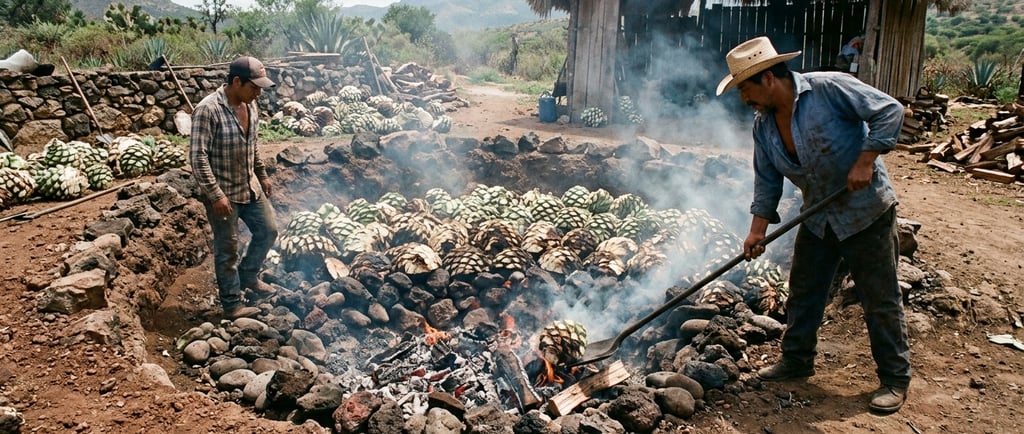
The process of roasting agave hearts is a crucial step in traditional agave fermentation, significantly impacting the flavor, aroma, and fermentable sugar content of the final product. This age-old technique, often executed in earth pits, utilizes the natural heat to transform the raw agave into a more flavorful base for distillation.
During roasting, the high temperatures applied to the agave hearts enable a series of chemical reactions that facilitate the hydrolysis of complex carbohydrates. Starches present in the agave are broken down into simpler sugars, making them accessible for yeast during fermentation. This enzymatic activity is essential for producing the desired alcohol content, as fermentable sugars serve as the primary fuel for yeast to convert into ethanol.
Moreover, roasting contributes much more than just sugar conversion. The process imparts a unique smokiness to the agave, which carries through to the spirit produced after fermentation and distillation, enhancing its complexity. Many aficionados regard this smokiness as a hallmark of quality in spirits such as mezcal, where flavor depth is paramount. The method of using earth pits for roasting allows the agave to absorb the smoke produced, resulting in a product that embodies the characteristics of its environment.
It is essential to note that the duration and temperature of the roasting process can vary, affecting the final flavor profile significantly. Ideally, roasting should be meticulously managed to ensure optimal breakdown of starches while avoiding the unpleasant bitterness that can arise from over-roasting. By balancing the heat and time, artisans can achieve a nuanced flavor that will be further developed during the fermentation stage, ultimately leading to a superior agave spirit.
Crushing and Milling Techniques
The fermentation process of agave begins with the careful extraction of the agave hearts, also known as piñas. This crucial step involves the crushing and milling of the piñas to release their sugars, which will subsequently serve as food for the yeast during fermentation. Two primary techniques are used in this phase: traditional crushing methods and modern industrial milling.
Traditional methods often involve the use of a tohana, which is a large stone wheel typically drawn by animals. The tohana crushes the agave hearts gently, allowing for the release of both the sugary juices and fibrous solids. This method not only retains the essential compounds beneficial for yeast activity but also imparts a unique character to the resulting fermented product. The fibrous solids play a crucial role in providing a habitat for the yeast, enhancing fermentation efficacy. Additionally, the slow crushing process permits a more controlled extraction of flavors, which can greatly influence the taste of the final spirit.
On the other hand, industrial milling techniques utilize mechanical mills that operate at a faster pace, often resulting in a more significant yield in a shorter time. While these methods can be advantageous in terms of efficiency, they may not preserve the fibrous solids as effectively as traditional methods. This loss can impact the fermentation process negatively, as yeast may not thrive as well in environments lacking organic nitrogen. Some mechanized mills, however, have been designed to retain certain fibrous characteristics, thus aiming to bridge the gap between efficiency and tradition.
In comparison, while both traditional and industrial methods aim to extract the maximum amount of juice from the agave piñas, they present distinct differences that can impact the quality and nuances of the final product. The choice of method has profound implications for the flavor profile and overall character of the agave spirits produced, influencing preferences among connoisseurs and producers alike.
Understanding Fermentation Methods
Fermentation is a critical step in the production of various agave-based beverages, including tequila and mezcal. Two primary fermentation methods are commonly employed: spontaneous fermentation and industrial fermentation. Each approach significantly influences the final character and quality of the resultant spirits.
Spontaneous fermentation relies on the natural yeasts present in the environment, including those found on the agave plants and in the distillation facility. This traditional method allows for greater expression of the unique terroir, a concept that encompasses the natural environment, including geography, climate, and soil. Because spontaneous fermentation is not controlled, it can produce more complex flavor profiles but may also introduce variability. The yeast population can vary from batch to batch, leading to distinctive qualities defined by the local flora and fauna.
Industrial fermentation, on the other hand, utilizes cultivated yeast strains, which are selected to ensure consistency and predictability. This method typically occurs under controlled conditions, including temperature and pH levels, resulting in a more uniform alcoholic beverage. Industrial practices often prioritize efficiency and productivity, which can limit the expression of regional characteristics found in spontaneously fermented beverages.
Both fermentation methods emphasize the importance of vessel selection. Using breathable fermentation vessels allows for oxygen exchange, which is crucial for yeast activity and the development of flavors. Moreover, the choice of material can also influence the sensory attributes of the final product, with traditional wooden vats imparting unique notes that metal or plastic can’t replicate.
The interplay between yeast, vessel selection, and terroir is what ultimately shapes the profile of agave spirits. Understanding these fermentation methods not only highlights the artistry involved but also the science behind crafting high-quality beverages that reflect their origins.
Bacterial Balance
The spontaneous fermentation of agave is a complex and intricate process that significantly impacts the quality and character of the final product. Central to this process is the role of bacteria, particularly lactic acid and acetic acid bacteria, which can both enhance and detract from the desired flavors and aromas of agave spirits.
Lactic acid bacteria (LAB) are commonly found in various natural fermentation processes. In the context of agave fermentation, these microorganisms contribute to the development of lactic acid, which imparts a unique sourness and complexity to the spirit. This acidity can help balance the sweetness of the agave sugars, creating a more harmonious final product. The presence of LAB can also inhibit the growth of spoilage organisms and undesirable yeasts, thereby providing an additional layer of stability during fermentation.
Conversely, acetic acid bacteria are also prevalent during spontaneous fermentation of agave. These bacteria convert ethanol into acetic acid, potentially leading to vinegar-like defects if their activity is left unchecked. While a small amount of acetic acid can enhance the overall complexity and add a slightly sharp dimension to the flavor profile, excessive production can overwhelm the subtle nuances of the agave itself, resulting in an off-putting vinegar flavor that masks the spirit's intended character.
The interplay between these bacteria and the fermentation environment can also greatly influence the site-specific terroir of the agave spirit. Terroir, often discussed in the context of wines, refers to the unique characteristics imparted by the local environment, including soil composition, climate, and agricultural practices. In agave spirits, spontaneous fermentation allows for the native microbial population, including various strains of LAB and acetic acid bacteria, to contribute to the distinctive flavors that reflect their specific growing regions.
Different regions may yield different profiles of these bacteria based on their unique ecosystems. For instance, agave harvested from high-altitude areas might interact with LAB that create a cleaner, crisper acidity, while agave from lower elevations could be prone to greater acetic acid production, resulting in a bolder, more robust flavor profile. This site-specific influence adds depth and variance to agave spirits, making each bottle a unique representation of its origin.
However, producers must carefully monitor and manage the fermentation process to harness the beneficial aspects of these bacteria while mitigating their potential drawbacks. A winemaker might take the time to cultivate specific strains of LAB that are known to impart desirable qualities while ensuring that conditions do not favor the unchecked growth of acetic acid bacteria. This balancing act is essential in producing high-quality agave spirits that reflect the terroir without succumbing to unwanted defects.
In conclusion, the impact of bacteria in the spontaneous fermentation of agave plays a crucial role in defining the character and quality of the final spirit. Lactic acid bacteria contribute positively by adding complexity and balance, while acetic acid bacteria must be carefully monitored to prevent vinegar-type defects. The interaction between these microorganisms and the unique characteristics of the growing region ultimately shapes the distinct terroir of the agave spirit, reinforcing the importance of understanding and managing the fermentation process to produce exceptional products.
The Science of Yeast and Nutrients in Fermentation
Understanding the science behind yeast and nutrients is essential for mastering the fermentation process, particularly in agave fermentation. Yeast, a microorganism, plays a pivotal role in transforming sugar into alcohol and carbon dioxide. The health and activity of yeast are significantly influenced by nitrogen levels in the fermentation environment. Adequate nitrogen is crucial for reducing yeast stress, which can directly impact the mouthfeel and flavor profile of the final agave-based product.
Because agave mosto typically lacks sufficient nitrogen, it presents a difficult environment for yeast to thrive. This stress on the yeast encourages them to generate more glycerin, a byproduct that gives the resulting spirit a creamier, richer texture.
Nitrogen serves as an essential nutrient that promotes yeast growth and proliferation. When yeast is starved of nitrogen, it can lead to sluggish fermentation, resulting in higher levels of unwanted compounds that may negatively affect the overall taste. This underlines the importance of monitoring nitrogen levels throughout the fermentation process. A careful balance must be maintained, as too much nitrogen can also lead to off-flavors and undesirable fermentation characteristics.
Moreover, the timing of water addition during peak fermentation can further influence the flavor and texture of the final product. Integrating water at this stage can help maintain optimal yeast health by providing a more favorable environment for fermentation. This practice can also dilute the concentration of certain undesirable compounds while enhancing the extraction of flavors, leading to a smoother mouthfeel. Therefore, it is critical to consider the dynamic relationship between yeast, nutrients, and water when cultivating optimal fermentation conditions.
Overall, the success of agave fermentation lies in understanding the biological components involved, particularly the effects of nitrogen on yeast health and how various techniques, like water addition, can shape the resulting flavor profile. An adept understanding of these scientific factors can foster a deeper appreciation for the art of fermenting agave.
Aging Processes and Terminology
The aging process of agave spirits plays a pivotal role in defining their flavor profiles and overall complexity. Various classifications indicate the duration and method of aging, giving consumers a clear understanding of what to expect from each type. The primary categories include joven, reposado, añejo, and glass matured.
Joven, or "young" spirits, are typically bottled immediately after distillation or may include unaged spirits with some añejo or reposado for added depth. These spirits have a vibrant, fresh agave taste and are often characterized by bright, bold flavors. The absence of aging means they retain more of their original herbal and vegetal notes.
Reposado, meaning "rested," denotes spirits that have aged in wooden barrels for a minimum of two months, but less than a year. During this time, the spirit develops a more refined character as it absorbs nuances from the wood, resulting in mellower flavors, hints of vanilla, and subtle oak influence. This aging helps to elevate the complexity significantly compared to joven varieties.
Añejo, translating to "old," refers to spirits aged in barrels for at least one year and up to three years. The extended aging period fosters richer flavors, often evolving into notes of caramel, chocolate, and spices, making añejo agave spirits particularly esteemed by connoisseurs. The choice of wood and previous contents of the barrels during this aging process also contribute significantly to the individual characteristics of the spirit.
Glass matured or "blanco" spirits undergo nearly no aging in wood but may be rested in glass containers. While maintaining a pure agave flavor, the glass maturation allows for some interaction with the environment, possibly enhancing certain traits without the infusion of wood influence.
Overall, the vessel materials used during aging, which can include oak, as well as the length of time, profoundly shape the sensory attributes of the agave spirit. Each classification presents unique tasting experiences, inviting enthusiasts to explore the depths of flavor and complexity that aging brings.
Conclusion: The Fusion of Tradition and Artistry in Agave Fermentation
In the world of agave spirits, fermentation is not merely a scientific process but also an art form that embodies a harmonious blend of tradition and innovation. Throughout our exploration, we have discussed how the initial steps of cultivating agave plants, coupled with the age-old practices of harvesting and cooking, lay the foundation for the fermentation stage. Here, yeast plays a pivotal role, transforming sugars present in the agave sap into alcohol, while simultaneously infusing unique flavors into the final product.
The mastery involved in this process cannot be overstated. Artisans have passed down intricate methods through generations, employing both time-honored techniques and modern advancements to enhance flavor profiles. These meticulous practices reflect a deep respect for the agave plant, its origins, and the cultural significance of the resulting beverages. Each batch of fermented agave demonstrates the personal touch of the master distiller, showcasing not only their skill but also their understanding of the delicate balance between tradition and contemporary influences.
The diverse spectrum of agave spirits, such as tequila and mezcal, illustrates the rich tapestry of flavors that can emerge from fermentation. Different varieties of agave, fermentation times, and even the local environment can profoundly affect the character of the spirit, leading to a plethora of unique tasting notes. In recognizing both the artistry and the science behind agave fermentation, we gain a deeper appreciation for the craftsmanship involved.
As we conclude our journey through the fermentation process, it is evident that this practice is an exquisite fusion of tradition and artistry, forming the backbone of what ultimately delights our palates. Understanding agave fermentation allows us to honor the traditions that have shaped this craft and embrace the creativity that continues to evolve in the world of agave spirits.
Join
Sign up for recipes, tips, and expert advice
Contact
Subscribe
hello@fermentedcuriosities.com
© 2026. All rights reserved.