The Art of Crafting Irish Whiskey: From Mash to Barrel
How Irish Whiskey is made.
SPIRITS
3/15/20268 min read
Introduction to Irish Whiskey
Irish whiskey is a distinctive spirit with deep-rooted historical and cultural significance in Ireland. Its origins can be traced back to the 12th century, making it one of the oldest distilled beverages in the world. The production methods and unique characteristics have evolved through centuries, shaping the identity of Irish whiskey as it is known today. Distinct from its cousins, Scotch and American whiskies, Irish whiskey is typically triple distilled, which results in a smoother and lighter flavor profile.
The unique production techniques of Irish whiskey also play a critical role in its distinctiveness. Unlike many Scotch whiskies, which often use peat in the malting process, Irish whiskey usually employs unpeated malt. This absence of peat allows for a cleaner and crisper taste, showcasing the natural sweetness of the grains. Additionally, Irish whiskey can be made from a blend of malted and unmalted barley, further enhancing its complexity and richness.
Furthermore, the aging process of Irish whiskey contributes significantly to its refined character. The spirit is typically aged in wooden casks for a minimum of three years, often in former bourbon or sherry barrels. This practice imparts unique flavors and aromas, resulting in a well-rounded and enjoyable drinking experience. Such careful craftsmanship and attention to detail underscore the importance of tradition in Irish whiskey production.
Overall, the historical and cultural context surrounding Irish whiskey reflects its significance in Irish heritage. It is more than just a drink; it embodies a rich tradition that connects past generations to the present and continues to evolve. As enthusiasts and connoisseurs explore this beloved spirit, they appreciate the intricate craftsmanship involved, recognizing it as a hallmark of Irish identity.
The production of Irish whiskey begins with the careful selection of several key ingredients, each contributing uniquely to the spirit’s flavor and character. The primary ingredients include malted barley, unmalted barley, water, and yeast. Understanding the role of each of these components is essential for appreciating the art of whiskey crafting.
Malted barley is one of the cornerstones of Irish whiskey production. This cereal grain is soaked in water and allowed to germinate, a process that activates enzymes necessary for converting starches into fermentable sugars. The use of malted barley lends whiskey a rich and complex flavor profile, often characterized by notes of honey, fruit, and floral elements. The choice of malting techniques also plays a critical role in defining the final character of the whiskey.
Alongside malted barley, unmalted barley is utilized in many traditional Irish whiskeys. This ingredient is included to enhance the mouthfeel and body of the spirit while also contributing to a distinct taste. Unmalted barley generally results in a smoother and often lighter whiskey, distinguishing it from many of its Scottish counterparts.
Water is another vital ingredient in whiskey production, particularly in Ireland, where high-quality water sources, rich in minerals, are found. The purity and mineral content of the water can greatly influence the taste and quality of the final product. It is used throughout various stages, including mashing, fermenting, and diluting the spirit before bottling.
Lastly, yeast serves as a fermenting agent that converts sugars extracted from the grains into alcohol. The choice of yeast strain can subtly affect the flavor and aroma of the whiskey, making this seemingly small component a significant player in the process. Different fermentation techniques and yeast varieties can give rise to distinctive taste experiences.
In summary, the interaction and ratio of these ingredients not only influence the flavor profiles but also contribute substantially to the overall character of Irish whiskey, ensuring that each batch possesses its unique personality.
The Mash Process
The mash process is a critical stage in the production of Irish whiskey, serving as the bridge between raw grains and the sweet liquid known as wort, which eventually undergoes fermentation. This process begins when grains, typically a combination of malted barley and other grains like corn or wheat, are milled to a coarse flour known as grist. The grist is then introduced to hot water in a mash tun, where the heat activates enzymes that convert the starches present in the grains into fermentable sugars.
Temperature control during the mashing process plays a pivotal role. Generally, the mash is heated to around 60-70 degrees Celsius (140-158 degrees Fahrenheit) for a primary stage known as the protein rest, which helps break down proteins and enhances the mouthfeel of the resulting whiskey. Subsequently, the temperature is increased to approximately 75 degrees Celsius (167 degrees Fahrenheit) for a -saccharification rest, during which the vital conversion of starches into sugars occurs. The optimal balance of time and temperature can significantly influence the final product, enabling distillers to achieve varying degrees of sweetness and complexity in their whiskey.
After the mashing is complete, the mixture is then filtered to separate the solid grains from the sweet wort. This wort contains a high concentration of sugars, which will be essential for the yeast during fermentation. The effectiveness of the mash process can often determine the efficiency of sugar extraction and, ultimately, the quality of the whiskey. Variations in mash techniques, such as the use of different water sources or specific grain ratios, can further impact the flavor profile, contributing to the uniqueness of each distillery's offerings. The art of crafting Irish whiskey naturally begins with an attentive and informed approach to the mash process, setting the foundation for the subsequent stages of production.
Fermentation: The Birth of Alcohol
Following the mashing process in the production of Irish whiskey, fermentation is the critical next step that transforms the sugary liquid known as wort into alcohol. This process is primarily facilitated by yeast, a microorganism that plays a pivotal role in converting fermentable sugars into ethanol and carbon dioxide. During fermentation, the yeast consumes the sugars present in the wort, producing alcohol as a byproduct. Typically, this process takes anywhere from three to seven days, although the specific timeframe can vary based on several influencing factors.
Temperature, for instance, can significantly impact the fermentation rate and flavor profile of the resulting whiskey. Ideally, the fermentation temperature is maintained between 18°C to 24°C (64°F to 75°F). Higher temperatures may hasten the fermentation process, but they can lead to off-flavors due to the production of unwanted esters and fusel oils. Conversely, lower temperatures can slow fermentation but may result in a cleaner, more refined flavor profile.
The type of yeast used also affects the fermentation outcomes. Different strains of yeast exhibit varying efficiencies in sugar consumption and produce distinct flavor compounds. Some yeast strains are known for their ability to contribute fruity or floral notes to the whiskey, while others may emphasize spicier characteristics. The choice of yeast can ultimately influence the final taste of the whiskey, shaping its flavor identity and complexity.
Moreover, the composition of the wort, primarily the types and amounts of grains used, will affect the types of sugars available for fermentation. A higher proportion of malted barley, for instance, creates a different base for yeast activity compared to a mix with corn or rye. As such, the fermentation process embodies a delicate balance that significantly influences the whiskey's character, marking this phase as the true birth of alcohol in Irish whiskey production.
Distilling: A Two-step Process
Distilling is a crucial stage in the production of Irish whiskey, where the fermented mash undergoes a transformation into a spirit with higher alcohol content and distinct flavor profiles. Traditionally, two methods of distillation are employed in this process: pot still distillation and column still distillation.
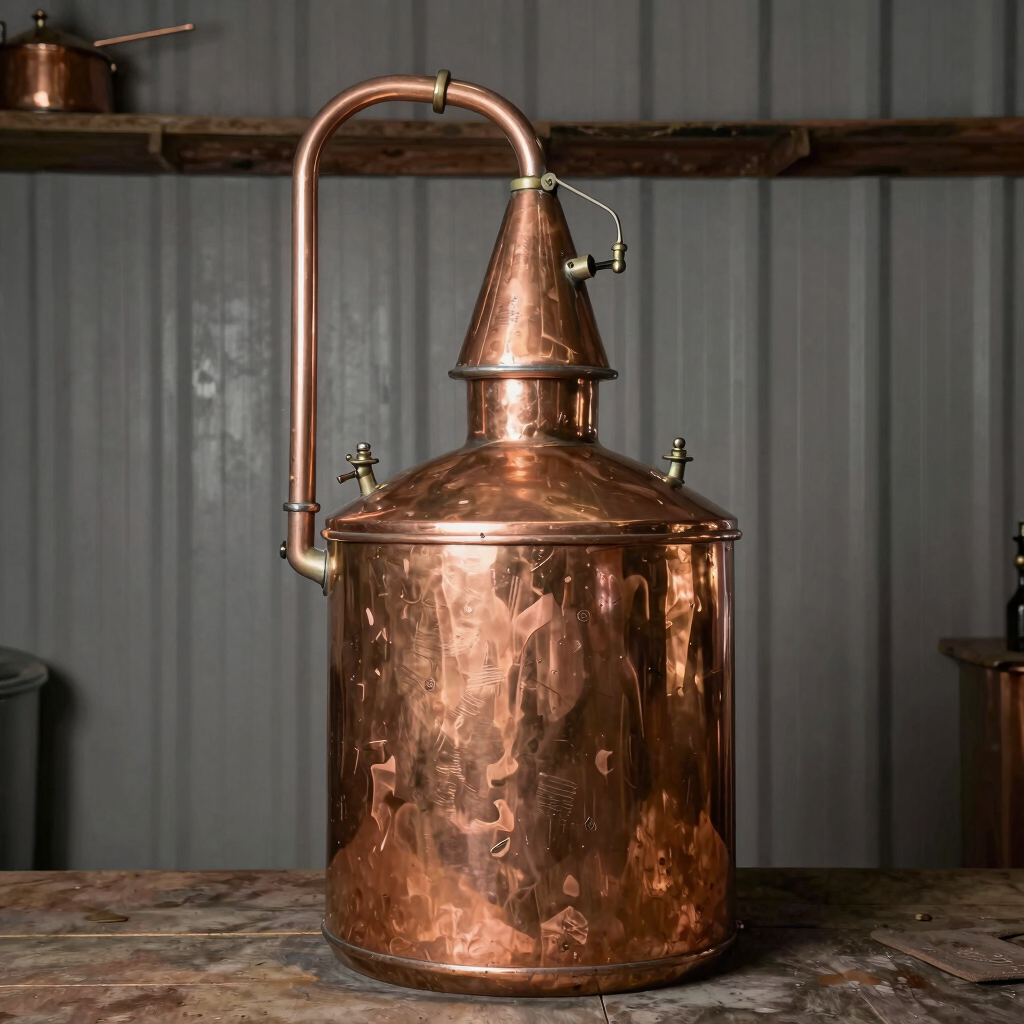
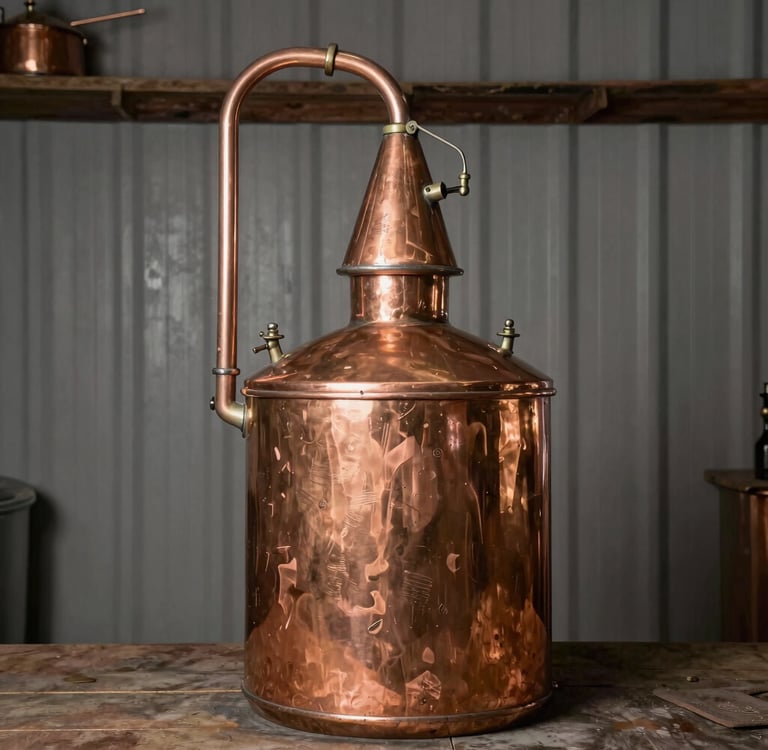
Pot still distillation is the classic method primarily associated with Irish whiskey. This involves the use of copper pot stills, which are traditionally hand-made and contribute significantly to the character of the spirit. The first distillation occurs in a wash still, where the fermented mash, containing alcohol and other compounds, is heated. The alcohol evaporates and condenses into a low wines mixture, which typically has an alcohol content of around 20-23%. The second distillation takes place in a spirit still, where this low wines are further refined. With the careful selection of the "heart" cut (the desirable middle portion of the distillate), pot still distillation is known for producing a rich, full-bodied whiskey with a complex array of flavors, often showcasing fruity and spice notes.
On the other hand, column still distillation, sometimes referred to as continuous distillation, utilizes large column stills (or patent stills) that allow for continuous processing of the liquid. This method is more efficient, producing a higher alcohol content (often between 95-96%) in a single pass through the still. The result is a spirit that is often purer and lighter in flavor. While this method can produce whiskey with a high degree of consistency, it may lack some of the flavor depth and complexity offered by pot stills. In Irish whiskey production, column stills are frequently used for creating lighter blends or grain whiskey, complementing the pot still offerings.
Overall, the choice of distillation method plays a significant role in shaping the final product. Whether employing the time-honored pot stills or the modern column stills, both techniques uniquely influence the purity, alcohol content, and flavor profiles of Irish whiskey, showcasing the diversity of this beloved spirit.
The Cuts: Choosing the Best Spirits
In the intricate process of distilling Irish whiskey, the determination of the perfect blend for the final product is heavily reliant on making precise cuts during distillation. These cuts are divided into three primary categories: heads, hearts, and tails. Each of these segments possesses distinct qualities that can significantly influence the flavor profile and overall quality of the whiskey.
The heads, which are the first portion collected during distillation, contain volatile compounds that can impart undesirable characteristics. Often, these include harsh and solvent-like flavors, as well as excessive acidity. Distillers typically discard this portion to uphold the integrity of their whiskey. However, some distillers may save small amounts for blending or experimentation in smaller batch productions.
Next comes the hearts, regarded as the most desirable segment of the distillation process. This is where the rich and complex flavors of the whiskey begin to emerge. Comprising the main body of the distillate, the hearts deliver the spirit's essential attributes, including sweetness, richness, and the coveted characteristics that define high-quality Irish whiskey. It is this section that distillers aim to maximize for the final product, ensuring that the spirit has depth and complexity.
Lastly, the tails consist of the final portion of the distillation, often less favored due to their earthy and oily characteristics. While tails might introduce some richness, they can also detract from the overall quality if not handled properly. Skilled distillers will often make the decision to include only a portion of the tails or may cut them entirely, depending on the desired outcome of the whiskey.
Ultimately, the art of choosing these cuts requires a deep understanding of flavor characteristics and a refined palate. A distiller’s choices in selecting the cuts directly affect the whiskey's final profile, making it a critical aspect of the craft.
Aging: The Journey in the Barrel
The aging process of Irish whiskey is a crucial stage that significantly influences its final characteristics. Typically, Irish whiskey is matured in oak barrels, with a notable preference for American oak barrels that previously held bourbon. These barrels add deep flavors and aromas, contributing to the complexity of the whiskey. Additionally, sherry casks are often utilized to impart unique sweetness and fruity notes, enhancing the overall experience. Other types of barrels, such as those previously containing rum or wine, can also be employed to further diversify the flavor profile.
As whiskey ages in the barrel, several transformations occur. The interaction between the spirit and the wood facilitates the extraction of compounds, which gracefully mellows the harshness of freshly distilled whiskey while developing richer flavors. Tannins and lignins from the oak play a pivotal role in shaping the whiskey's character, resulting in notes ranging from vanilla and caramel to spices and dried fruits. This maturation process also imparts a beautiful amber hue, indicating the whiskey's time spent in wood.
According to Irish law, whiskey must be aged for a minimum of three years in barrels. This legal requirement serves to underscore the importance of aging as an integral element of whiskey production. However, many distilleries choose to age their products for much longer, sometimes up to 15 years or more, in order to achieve a higher degree of sophistication and richness. The longer the whiskey sits in the barrel, the greater the depth of flavor and aroma, making time a fundamental component of the overall maturation journey.
Join
Sign up for recipes, tips, and expert advice
Contact
Subscribe
hello@fermentedcuriosities.com
© 2026. All rights reserved.