Unearthing the Richness of Irish Red Ale: A Journey Through History, BJCP Guidelines, and Modern Takes
Irish Red Ale History, BJCP Style Guidelines, and modern versions.
BEER
3/15/20265 min read

The Historical Roots of Irish Red Ale
Irish Red Ale has a storied past that reflects the agricultural, cultural, and brewing traditions of Ireland. The origins of this distinctive ale can be traced back to the early medieval period when brewing became a prevalent practice in Irish households. The use of local ingredients, such as barley and other grains, played a crucial role in shaping the character of the beer.
Throughout the centuries, this rich tradition was influenced by various brewing techniques that evolved across different regions of Ireland. The introduction of hops in brewing during the 12th century marked a significant turning point, leading to a variety of flavors and aromas that have come to define Irish Red Ale. Additionally, the unique water quality found in regions like Dublin and Cork contributed to the distinctive taste profiles associated with ales brewed in these areas.
The cultural significance of ale within Irish communities cannot be overstated. Irish Red Ale was not merely a beverage; it was woven into the fabric of social gatherings, religious festivities, and even local rites. Traditional pubs served as community hubs where stories were shared, and friendships were forged over a pint of this amber-hued ale.
Several key historical breweries have left an indelible mark on the production of Irish Red Ale. Notable establishments like the Smithwick’s Brewery and the Murphy’s Brewery have been pivotal in refining the brewing practices for this ale, experimenting with variations that have influenced modern renditions. Over time, the techniques and recipes employed in these breweries have evolved, adapting to changing tastes while still honoring their rich heritage.
In the modern landscape, Irish Red Ale continues to be celebrated for its balanced flavor and inviting appearance, serving as a testament to the enduring legacy of Ireland’s brewing traditions. As we continue to explore the styles and interpretations of this beloved ale, it is essential to appreciate the historical roots that have shaped its journey through time.
Understanding BJCP Guidelines for Irish Red Ale
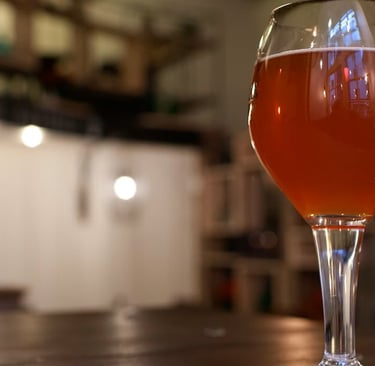
The Beer Judge Certification Program (BJCP) provides comprehensive guidelines that are essential for defining various beer styles, including Irish Red Ale. This style, which has garnered considerable interest among both casual drinkers and professional brewers, is characterized by its unique flavor profile and visual appeal. According to the BJCP guidelines, Irish Red Ale typically presents a clear, reddish-copper hue, which is achieved through the careful selection of malts. The clarity and depth of color are critical visual indicators for brewers, influencing not only aesthetics but also the perception of flavor.
Aroma is another significant aspect of Irish Red Ale, which should convey a blend of malt sweetness and subtle hop characteristics. The BJCP suggests that brewers aim for aroma notes that include bread crust, caramel, and toffee, alongside a light floral or earthy hop scent. This balance between malt and hop aromas is critical for achieving the authentic taste expected by enthusiasts and judges alike.
When it comes to flavor, the BJCP guidelines specify a malt-forward profile that emphasizes toasted and caramel flavors but is balanced by a mild hop bitterness. The mouthfeel should be medium, providing a smooth, clean finish. This emphasis on balance is crucial, as it allows drinkers to appreciate the complexity of this style without being overwhelmed by any single element.
The overall impression of Irish Red Ale, as encapsulated in the BJCP guidelines, should be one of approachability and drinkability. These guidelines not only aid judges in evaluating entries during competitions but also serve as a framework for brewers aiming for quality and consistency in their products. By adhering to these standards, brewers can effectively communicate the character of Irish Red Ale, preserving its rich history while embracing modern interpretations.
Modern Interpretations of Irish Red Ale
In recent years, craft breweries have begun to reimagine the traditional Irish Red Ale, leading to exciting modern interpretations that highlight innovation while respecting the heritage of this classic style. No longer confined to the classic malt-forward profile, contemporary variants embrace a variety of ingredients and brewing techniques, resulting in a diverse range of flavors and aromas.
One noticeable trend among modern craft brewers is the incorporation of unique adjuncts. Some brewers now experiment with local ingredients, such as artisan malts and specialty grains, which impart distinct character to the ale. For instance, the use of caramel malts can enhance the sweetness, while roasted barley adds depth and complexity. Furthermore, hops that are typically not associated with traditional Irish Red Ales are being included for bittering and aroma, providing a refreshing twist on the expected profile.
Brewing techniques have also evolved, with practices like dry hopping gaining popularity. This method involves adding hops during fermentation, resulting in aromatic complexity without excessive bitterness. Breweries are also exploring barrel aging, where Irish Red Ales take on flavors from oak or spirits, further expanding the range of profiles available to consumers.
Notable examples of modern Irish Red Ales can be found in various craft breweries across Ireland and beyond. One such expression is the "Red Ale with a Twist," which blends traditional malt flavors with citrusy hop notes. Another interesting variant is the "Spicy Irish Red Ale," where ginger and other spices are introduced, creating a vibrant flavor profile that attracts adventurous drinkers.
In interviews, brewers often emphasize the importance of experimentation while maintaining the core characteristics of Irish Red Ale. They express a commitment to honoring the past while pushing boundaries and inviting the next generation of beer enthusiasts to discover the rich possibilities this style has to offer.
Pairing Irish Red Ale: Food and Beer Harmony
Irish Red Ale, renowned for its rich malt character and subtle hop profile, offers a versatile foundation for food pairings. The ale’s reddish hue, complemented by flavors of caramel, toffee, and hints of roasted malt, make it an excellent match for a variety of dishes. When considering food pairings, one must take into account the beer’s body and flavor intensity to achieve a harmonious balance.
Traditional Irish cuisine presents a plethora of pairing opportunities. Classic dishes such as shepherd's pie, bacon and cabbage, or Irish stew create a delightful synergy with Irish Red Ale. The malty sweetness of the ale contrasts beautifully with the savory components of these dishes, enhancing both the food and the beer. Additionally, the beer’s effervescence provides a refreshing counterpoint to richer flavors, cleansing the palate after each bite.
For those inclined towards modern culinary trends, Irish Red Ale pairs well with wood-fired pizzas, grilled meats, and even spicy Asian cuisine. The caramel notes of the ale can complement barbecue sauces, while its malt backbone can stand up to the bold flavors found in Indian curries. A charcuterie board featuring cheeses, cured meats, and pickled vegetables makes for an excellent accompaniment, where the beer's effervescence elevates the tasting experience.
Serving suggestions are equally important when maximizing the enjoyment of Irish Red Ale. The beer is best served slightly chilled, at around 45-50°F, which allows its flavor nuances to shine. Ideal occasions for enjoying this ale include casual dinners, celebratory gatherings, or even cozy nights in with good company. By understanding the potential for pairing Irish Red Ale with various foods, one can elevate the drinking experience, fostering not only gustatory pleasure but also communal enjoyment.
Join
Sign up for recipes, tips, and expert advice
Contact
Subscribe
hello@fermentedcuriosities.com
© 2026. All rights reserved.