
Common Faults in Wine: How to Prevent and Fix Them
wine faults such as cork taint, oxidation, and volatile acidity.
WINE
3/1/20264 min read
Understanding Common Wine Faults
Wine faults refer to undesirable characteristics that negatively affect the quality and enjoyment of wine. These faults can arise from various factors during the vinification process, storage conditions, or even the materials used. Understanding these common wine faults is crucial for both producers and consumers to ensure a high-quality wine experience.
One prevalent fault is oxidation, which occurs when wine is exposed to excess oxygen. This can lead to a stale or flat taste, along with a brownish hue, particularly in white wines. The sensory impact of oxidized wine typically results in flavors reminiscent of bruised fruit or nuts, which can significantly diminish the wine's appeal.
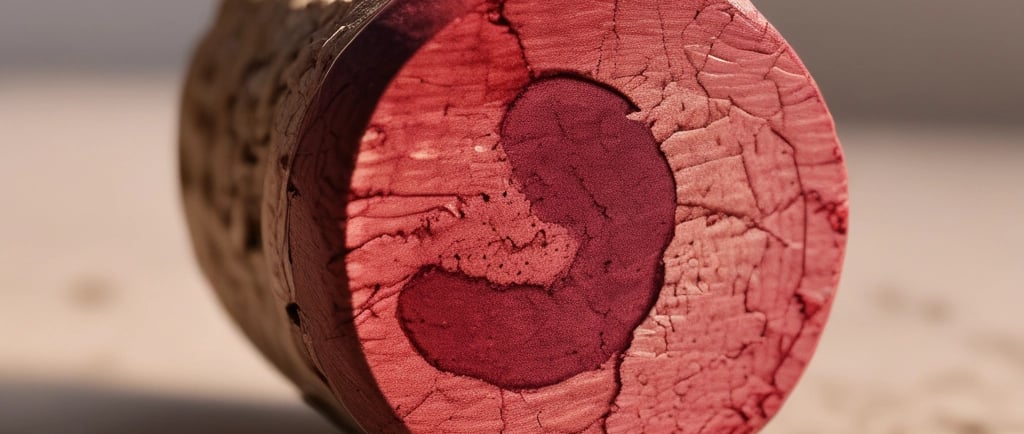
Cork taint, caused by a compound known as TCA (2,4,6-trichloroanisole), is another common issue that can lead to a musty or cardboard-like aroma. Affected wines can lose their primary fruit characteristics and may leave a lingering unpleasant taste in the mouth. Detection of cork taint usually results in immediate recognition, as it alters the intended profile of the wine.
Volatile acidity, primarily caused by acetic acid bacteria, presents itself through a vinegary aroma and flavor. At low levels, it can add complexity, but elevated levels significantly detract from the wine's quality. The key indicators of volatile acidity include sourness and an overall off-balance palate.
Lastly, brettanomyces, often referred to as 'brett', is a yeast that can impart funky and barnyard-like characteristics to wine. While some wine enthusiasts appreciate its contribution to rustic aromas, excessive brett can overpower the wine's intended flavors, resulting in an unbalanced profile. Awareness of these common faults enables wine lovers to better assess their bottles, enhancing their overall wine appreciation journey.
Preventing Wine Faults: Best Practices for Winemaking
The process of winemaking is intricate and requires precise attention to various aspects to prevent common faults. One of the foremost practices is maintaining proper sanitation throughout the winemaking process. This includes thoroughly cleaning and sanitizing all equipment, barrels, and bottling materials to avoid introducing unwanted microorganisms that can spoil the wine.
Temperature control is another critical factor. During fermentation, excessive heat can lead to unpleasant flavors and volatile acidity, while excessively low temperatures can stall fermentation. Therefore, it is essential to monitor and regulate temperatures within optimal ranges to promote healthy fermentation and reduce the risk of faults.
Moreover, selecting quality grapes plays a significant role in the overall health of the wine. Grapes that are overripe, damaged, or diseased can introduce undesirable compounds. Therefore, ensuring that only the best quality fruit is used not only sets a solid foundation for the wine but also minimizes potential fault occurrences.
Careful monitoring of the fermentation process is crucial. Winemakers should regularly evaluate the progress of fermentation by checking sugar levels and the amount of carbon dioxide produced. This diligence helps in making timely decisions regarding adjustments, such as inoculation with yeast or temperature modifications.
Additionally, attention to bottling techniques cannot be overstated. Avoiding excessive exposure to oxygen during bottling can help prevent oxidation, a common fault that can degrade the wine's quality. Using high-quality corks is also vital, as inferior corks can lead to cork taint and other issues that compromise the wine. By adhering to these best practices, winemakers can significantly reduce the likelihood of developing faults in their wines, ensuring a product that is both enjoyable and of high quality.
Fixing Wine Faults: Techniques and Solutions
Wine faults can diminish the quality of a beverage, but with proper techniques and solutions, it is possible to salvage a compromised wine. One common fault is oxidation, which often results in a wine that tastes flat or overly sherried. To remedy oxidation, one can consider blending the affected wine with a non-oxidized counterpart. Careful blending can help restore balance and improve overall flavor. Additionally, aeration techniques can sometimes revitalize slightly oxidized wines. By allowing the wine to breathe in a decanter or glass, it may regain some of its lost character, although it is essential to use caution with this approach.
Cork taint, often caused by the presence of TCA (2,4,6-trichloroanisole), can impart musty and undesirable flavors to wine. Unfortunately, there is no reliable method to fix a corked wine after it has been bottled. However, wine lovers can utilize the option of blending to manage the issue if the tainted wine is recognized prior to bottling. Barrels can be used to separate the tainted wine, infusing it with different flavors to mask cork taint. In some situations, alternative closures such as screw caps may be employed for better protection against this fault in future productions.
Volatile acidity (VA) is another fault characterized by excessive acetic acid, giving wine a vinegar-like aroma. To address high VA levels, filtration is often an effective approach. The use of fine filters can help remove some of the volatile compounds that contribute to these undesirable aromas while retaining the wine's flavor profile. Additionally, employing specialized products designed to correct wine faults can also prove beneficial. Enzymatic preparations can assist in reducing volatile acidity or eliminating unwanted aromas and flavors. Selecting the right strategy requires understanding the specific fault and applying targeted solutions to ensure the wine reaches its full potential.
When to Seek Professional Help for Wine Faults
Occasionally, wine enthusiasts encounter issues that are beyond the scope of in-home remedies. While many common wine faults can be identified and dealt with by knowledgeable drinkers, certain situations require the intervention of a professional wine expert or sommelier. Understanding when to seek help is essential to ensure the enjoyment and preservation of quality wine.
First and foremost, if a wine exhibits pronounced faults such as significantly off flavors or smells that are not easily remedied, professional insight may be required. For instance, if a wine smells of vinegar or sherry-like aromas, it could indicate volatile acidity or oxidation, respectively. These faults often arise from improper storage or winemaking errors, and rectifying them typically necessitates a depth of knowledge that only an expert can provide.
Another sign that professional intervention is needed arises when the assessment of the wine's condition is beyond one's expertise. For instance, more subtle faults such as cork taint or excessive sulfites may not always be identified without training. Furthermore, in cases where there is uncertainty regarding the wine’s provenance or authenticity, consulting a sommelier or a certified wine professional can offer clarity and peace of mind.
Moreover, if the stakes involve high-value wines, seeking expert assistance becomes even more critical. Wine professionals not only possess the technical knowledge to provide accurate evaluations but also have access to resources and networks that can facilitate the rectification of complex issues. Engaging a professional can ultimately save both time and money while ensuring that the high standards of wine quality are maintained.
In summary, recognizing the limits of personal expertise is vital in the wine world. By acknowledging when to seek professional help, wine lovers can safeguard their investment and enhance their overall appreciation of this complex beverage.
Join
Sign up for recipes, tips, and expert advice
Contact
Subscribe
hello@fermentedcuriosities.com
© 2026. All rights reserved.