The World of Gin: Its History, Types, and Making Requirements
History of Gin, and Different Types of Gin.
SPIRITS
3/5/20268 min read
A Brief History of Gin
The origins of gin can be traced back to the early medieval period, where it found its roots in herbal medicine. Its primary precursor, known as genever, emerged in the Netherlands during the 17th century. This Dutch spirit was infused with juniper berries and was originally consumed for its purported health benefits. By the early 1600s, genever began to gain popularity in England, largely due to soldiers returning from the Thirty Years' War, who had acquired a taste for it.
The transformation of genever into what we now recognize as gin occurred in the early 18th century. During this period, the spirit was distilled more precisely in England, leading to the development of a clearer, more refined product. This change in production was accompanied by a significant rise in consumption, particularly among the working class. The Gin Craze, a notable event in the mid-1700s, saw gin becoming widely accessible and improperly regulated, resulting in a surge in drinking among the poor.
As the consumption of gin soared, so too did its societal impact. The resulting public health crisis prompted the British government to intervene, enacting laws to regulate production and consumption. The Gin Act of 1751 served to stabilize the industry and curb excessive drinking by introducing licensing requirements and restrictions on gin sales. Despite these regulations, the spirit continued to flourish, eventually becoming an integral part of British culture.
In the following years, the introduction of various botanicals and flavors led to an explosion of different gin styles. Today, the resurgence of craft distilleries has reignited interest in gin, resulting in an unparalleled diversity of this beloved spirit. As gin continues to evolve, its rich history remains a significant aspect of its identity, telling the story of cultural shifts, public health, and artisanal craftsmanship in the world of spirits.
The production of gin involves several crucial steps that contribute to its unique flavor profiles and aromatic characteristics. To begin with, gin starts with a base ingredient, typically grain, which may include barley, corn, rye, or wheat. This grain undergoes the process of fermentation, wherein yeast is introduced to convert sugars into alcohol. The result is a low-alcohol beer-like liquid that serves as the foundation for the gin.
Following fermentation, the next vital step is distillation. This process involves heating the fermented liquid until it vaporizes, and then cooling it so that it returns to liquid form. The choice of distillation method can significantly affect the final product's taste and quality. There are primarily two methods of distillation: pot still and column still. Pot still distillation is a traditional method that can produce more complex and flavorful spirits, while column still distillation allows for a continuous, efficient process that typically results in a purer alcohol.
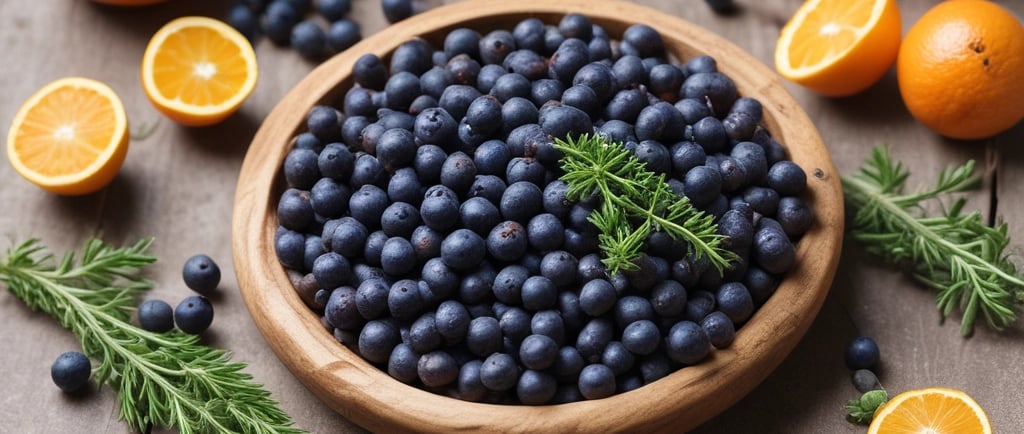
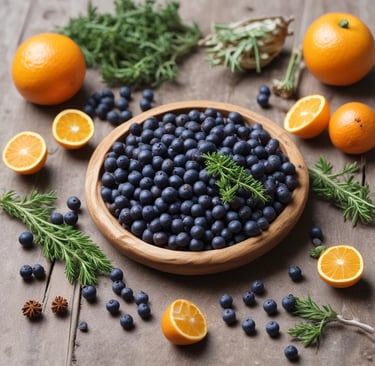
However, what truly sets gin apart from other spirits is the introduction of botanicals. The most essential botanical in gin production is juniper berries, which provide the spirit with its distinct, pine-like flavor. Other botanicals can include a wide range of herbs, spices, fruits, and flowers, each contributing different flavor notes. These botanicals are often steeped in the base alcohol before distillation, allowing their flavors to infuse into the spirit. Alternatively, they may be placed in the still during distillation to create variations in extraction and flavor concentration. Ultimately, the careful selection and preparation of these botanicals play a pivotal role in defining the final flavor profile of the gin.
In summary, the production of gin involves a series of meticulously executed steps, from fermentation to distillation and the infusion of botanicals. Each of these stages has a significant impact on the gin's flavor and quality, making the art of gin-making a fascinating endeavor.
London Dry Gin: Characteristics and Examples
London Dry Gin is a specific style of gin that is highly regarded for its stringent production standards. Notably, it does not permit any artificial flavorings or sweeteners, which distinguishes it from other types of gin. The defining characteristic of London Dry Gin is that its flavor is derived primarily from botanicals that are distilled directly in the spirit. While juniper is a mandatory component, other botanicals such as coriander, angelica root, and citrus peels can also be utilized to impart complex flavor profiles.
The production of London Dry Gin must also adhere to strict regulations that dictate distillation methods and ingredient quality. In fact, the gin must undergo a continuous distillation process, which ensures the purity and clarity of the spirit. The result is a gin that is typically dry and aromatic, appealing to a wide audience. Additionally, the final product should not exceed 47% alcohol by volume, which contributes to its smooth texture and taste.
Several popular brands have made significant contributions to the culture of London Dry Gin. Tanqueray, for instance, has been a market leader since its inception in the 1830s and remains synonymous with this gin style. Another iconic brand, Beefeater, is recognized not just for its quality but also for its commitment to traditional production methods, using a recipe that dates back over 150 years. Other notable examples include Bombay Sapphire, known for its botanical richness, and Hendrix, which introduces cucumber and rose distillates as unique flavor elements. These brands not only exemplify the standard of London Dry Gin but also play a critical role in the global appreciation and evolution of gin as a celebrated spirit.
Old Tom Gin: The Sweetness Within
Old Tom Gin represents a unique classification of gin that is distinguished by its characteristic sweetness. Unlike the more popular London Dry Gin, Old Tom is produced with a slightly higher sugar content, which results in a richer and rounder flavor profile. Historically, Old Tom Gin emerged in the 18th century, during the gin craze in England, where it acquired a somewhat notorious reputation among drinkers. Its historical significance can be traced back to its role in the early development of gin production in the UK, where it became a bridge between traditional Dutch genever and the more contemporary gins.
The resurgence of Old Tom Gin in recent years can be attributed to the craft cocktail movement, which has revived interest in traditional spirits and their unique flavor profiles. Bartenders and mixologists have embraced Old Tom both for its historical context and its versatility. As a result, it has made its way back into cocktail menus across the globe, rekindling appreciation for its distinctive taste.
In addition to its unique sweetness, Old Tom Gin is known for its ability to complement a variety of mixers and ingredients, making it a favored base for classic cocktails. One popular cocktail recipe that highlights the attributes of Old Tom Gin is the Tom Collins, which combines Old Tom Gin with fresh lemon juice, sugar, and soda water, creating a refreshing and balanced drink. Another noteworthy example is the Martinez, often considered a precursor to the modern martini, combining Old Tom Gin with sweet vermouth and maraschino liqueur.
As Old Tom Gin continues to enjoy a revival, it stands as a testament to the enduring legacy of gin and the diverse flavors it can embody. This flavorful spirit offers a glimpse into the past while encouraging innovative cocktail creations that attract both new and seasoned gin enthusiasts alike.
Plymouth Gin: A Taste of Tradition
Plymouth Gin is renowned for its unique characteristics, making it a distinguished member of the gin family. One of the key factors that set Plymouth Gin apart is its geographical protection status. As a product with a Protected Geographical Indication (PGI), it can only be produced in the city of Plymouth, England. This designation helps to preserve the longstanding traditions and practices associated with its production, ensuring that each bottle embodies the heritage and craftsmanship of the region.
The flavor profile of Plymouth Gin is another aspect that distinguishes it from its counterparts. It is known for its smooth and slightly sweet taste, with earthy undertones and a hint of fruitiness. This distinctive flavor is achieved through a precise blend of botanicals, including juniper, coriander, and angelica root, which are combined with pure soft water sourced from the Dartmoor National Park. The use of these carefully selected ingredients contributes to its silky mouthfeel and balanced aromatic qualities.
Plymouth Gin not only carries historical significance but is also rooted deeply in the maritime history of the city. Dating back to the 18th century, it was originally favored by the sailors of the Royal Navy, who appreciated its quality and craftsmanship. Over the years, Plymouth Gin has maintained its reputation, serving as a crucial ingredient in classic cocktails such as the Plymouth gin martini and the Gimlet. This enduring popularity is a testament to its timeless appeal, which continues to attract both gin enthusiasts and casual drinkers alike.
In terms of production, the gin undergoes a traditional distillation process that involves pot stills, allowing for greater flavor extraction compared to column stills. The careful attention to detail during each production run emphasizes the commitment to quality that must be present in every bottle of Plymouth Gin.
Compound Gin: The Quick and Easy Option
Compound gin represents an alternative approach to gin production, offering a simpler and often more affordable option compared to traditional distilled gins. Unlike their distilled counterparts, which require a comprehensive distillation process involving the fermentation of grains and the subsequent distilling of the spirit, compound gins are created through the infusion method. This method allows for the incorporation of various flavors and botanicals without the need for distillation, making it more accessible for smaller producers and enthusiasts alike.
The process of making compound gin typically involves starting with a neutral spirit, which serves as the base. This base can be a high-quality grain spirit or even a neutral vodka. Once the base is established, the infusion process begins. Producers introduce a range of botanicals such as juniper berries, citrus peels, herbs, and spices into the spirit. These ingredients can be steeped for a period of time, allowing their flavors to meld and permeate the spirit, creating the unique flavors characteristic of compound gin.
One of the advantages of compound gin is its versatility and the ease with which it can be customized. Due to the infusion process, producers have the freedom to experiment with various combinations of flavors, catering to diverse tastes and preferences. The simpler production method also reduces costs, making compound gin an attractive option for those seeking quality spirits without a hefty price tag.
In the larger context of the gin market, compound gin plays a significant role by appealing to a wide range of consumers, including those who appreciate craft spirits. As the demand for unique and innovative flavors continues to rise, compound gin provides a platform for creativity that complements the more traditional distilled gins.
Sloe Gin
Sloe gin is a distinctive liqueur that combines the aromatic essence of gin with the tartness of sloe berries, which are the small, dark purple fruits of the blackthorn bush, scientifically known as Prunus spinosa. This traditional English spirit has garnered popularity due to its unique flavor profile, which balances sweet and sour notes, making it a versatile addition to various cocktails and culinary recipes.
The process of making sloe gin involves infusing gin with sloe berries, usually during the autumn months after the berries have been frosted, as this enhances their sweetness and flavor. To start, the berries are carefully pricked to allow for better extraction of their juices and flavorful compounds. They are then combined with a choice of dry gin and often sweetened with sugar, giving the final product a luscious complexity. The mixture is left to steep for several months, allowing the flavors to meld and develop, resulting in a beautifully colored reddish-purple liqueur.
The inherent characteristics of sloe gin are undoubtedly its blend of sweet and tart flavors, making it an ideal component in cocktails. It is widely used in classics such as the Sloe Gin Fizz, where it is combined with lemon juice and soda water, or as a twist in a traditional Gin and Tonic, adding a fruity depth. Beyond the realm of cocktails, sloe gin can also be used in cooking; drizzled over desserts or incorporated into sauces, it complements a variety of dishes, from game meats to rich desserts like tarts and ice creams.
In summary, sloe gin stands out as a handcrafted, artisan spirit that continues to enchant consumers with its vibrant flavors and versatility across both drink and food pairings. Its unique method of production and seasonal availability further contribute to its appeal among enthusiasts, ensuring its place in the vast world of gin.
Join
Sign up for recipes, tips, and expert advice
Contact
Subscribe
hello@fermentedcuriosities.com
© 2026. All rights reserved.