Understanding the Differences Between Porter and Stout: A Deep Dive into Beer Styles
Comparison of Porter to Stout.
BEER
3/4/20268 min read
Introduction to Porter and Stout
Porter and stout are two beloved styles of dark beer, both of which have rich histories and a distinctive place in brewing culture. Their origins can be traced back to 18th-century England, where they were first crafted to cater to the tastes of the working class. The term "porter" originally referred to the style crafted for porters, who were laborers transporting goods in London. This beer evolved from brown ales, incorporating roasted malts, which lent it a signature dark color and rich flavor profile.
Stout, on the other hand, is often considered a variation of porter. The original stout was essentially a stronger version of porter, hence the initial nomenclature "stout porter." Over time, stout developed its unique identity, especially with the emergence of the dry stout style, most famously represented by brands like Guinness. This style quickly gained popularity not only in Ireland but across the globe, captivating beer enthusiasts with its creamy mouthfeel and nuanced flavor notes.
Both porter and stout have transcended their humble beginnings to become staple offerings in many breweries throughout the world. They are celebrated for their bold flavors, which often include coffee, chocolate, and caramel notes. Furthermore, various sub-styles have emerged within both categories, with brewers experimenting with different ingredients and brewing techniques, enhancing their appeal among diverse audiences.
The popularity of porter and stout is no longer restricted to their countries of origin; they have gained international appreciation, with brewers around the world crafting their interpretations. Understanding these two styles not only enriches the appreciation of beer but also allows enthusiasts to explore their depth, flavors, and the evolution of brewing practices across different cultures.
BJCP Style Guidelines Comparison
The Beer Judge Certification Program (BJCP) plays a crucial role in defining and categorizing beer styles, providing judges and brewers alike with a framework to identify and evaluate beers like porter and stout. Under the BJCP guidelines, both porter and stout fall within the broader category of dark beer, yet they possess distinct characteristics that are defined by separate criteria.
Porters are characterized as generally dark beers with a rich, malty flavor profile, often showcasing chocolate, caramel, and roasted malt notes. The BJCP guidelines highlight the moderate alcohol content that typically ranges from 4% to 6.5% ABV, with a focus on balanced flavors where the sweetness of the malt is often combined with a mild bitterness. Variations under the porter category, such as English Porter and American Porter, emphasize different flavor elements, allowing for diversity within the style.
On the other hand, stouts are often dark, opaquely black beers that are renowned for their bold flavors which usually include stronger roasted malt, coffee, and dark chocolate notes. According to BJCP standards, stouts may exhibit a higher alcohol level, reaching from 4% to 12% ABV, depending on the specific subtype—ranging from Dry Stouts, such as the famous Irish stout, to Imperial and Milk Stouts that offer complexities in sweetness and strength. The greater emphasis on roastiness in stouts sets them apart from porters. For example, a Dry Stout presents a dry finish with little residual sweetness, whereas a Milk Stout incorporates lactose, contributing to a silky, sweet mouthfeel.
In conclusion, while both porter and stout share a dark appearance and a malt-forward profile, the differences outlined in the BJCP guidelines provide clarity on their distinct nuances, guiding brewers and enthusiasts in exploring these rich beer styles.
Aroma Profiles of Porter and Stout
The aroma profiles of porter and stout are integral to understanding these two distinct beer styles, as they provide an immediate sensory experience that contributes to the overall impression of the beer. Both porters and stouts primarily utilize roasted malts; however, the specific combinations and roasting processes create varying aromatic characteristics that distinguish the two styles.
Porters typically exhibit a complex bouquet that underscores its malt-forward nature. The aroma often presents notes of chocolate, caramel, and toffee, which stem from the use of crystal and caramel malts. Dark roasted malts can also contribute subtle hints of espresso or coffee, while a gentle sweetness may linger, offering a comforting warmth. Additionally, some porters may feature fruity esters, reminiscent of dark berries or raisins, adding another layer to the aroma profile.
In contrast, stouts are more robust in their aroma, showcasing a more pronounced roasted character. The deep, dark malts used in stouts impart bold scents of bitter cocoa, dark chocolate, and charred coffee, often accompanied by a slight smokiness. The presence of roasted barley, particularly prominent in dry stouts, tends to enhance these deeper aromas. Stouts can also incorporate hops that lend earthy or herbal notes, although their role is generally more subdued compared to the malty aromas.
Moreover, variations such as milk stouts and imperial stouts introduce additional aromatic elements to the canvas. For instance, milk stouts rely on lactose for sweetness which can modify the perceived aroma, presenting creamier and sweeter scents. Imperial stouts, recognized for their higher alcohol content, often feature intense, rich aromas that may include dark fruits, vanilla, or oak, depending on any aging processes used. The distinct aroma profiles of both porters and stouts not only highlight their individual characteristics but also invite beer enthusiasts to explore and appreciate the nuances within these popular styles.
Color Variations in Porter and Stout
The visual characteristics of porter and stout are among the most striking differences between these two beloved beer styles. The color of a beer can significantly influence a drinker's perception and expectations. In essence, both porter and stout typically present dark hues, ranging from deep browns to almost pitch black, but subtle variations in color can reveal much about their respective brewing processes.
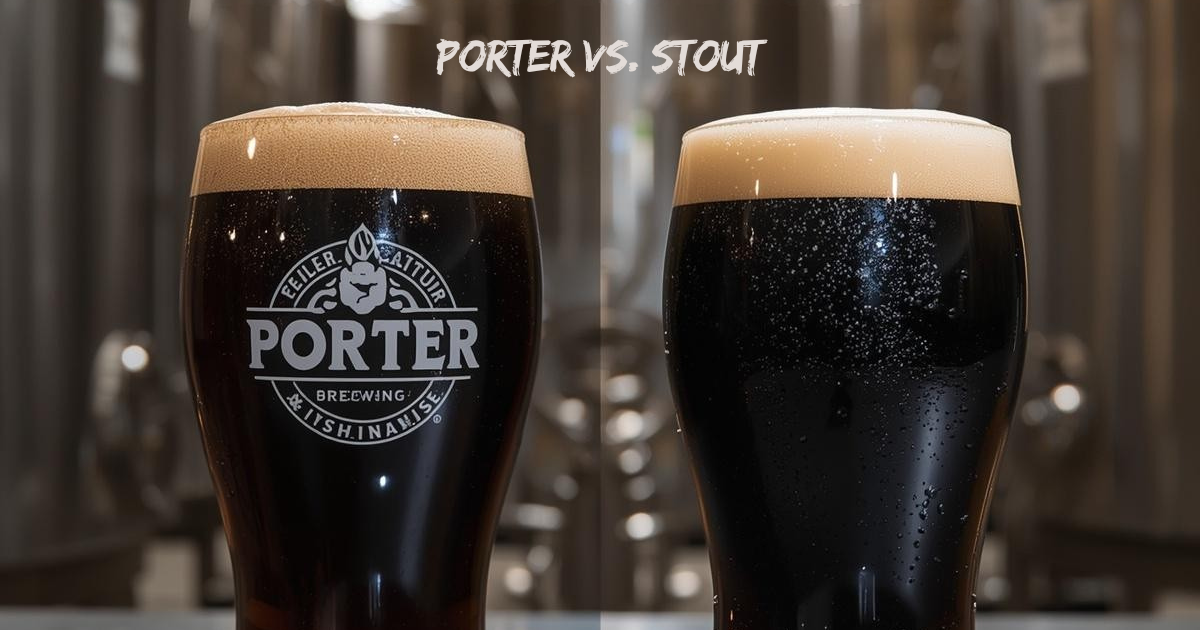
Porters generally exhibit a wide range of colors, often appearing in shades from dark brown to mahogany, depending on the blend of malts used. The inclusion of roasted malts and grains contributes to a lighter brown appearance compared to stouts. Conversely, stouts, particularly variations such as imperial stouts, tend to deliver a more uniform and intense black color. This depth is attributed to the extensive use of highly roasted malts that create not only a darker hue but also richer flavors.
Factors such as the type of malt, the roasting process, and the addition of adjuncts can dramatically impact the final color of the beer. For instance, the use of chocolate malt will impart a reddish-brown hue to some porters, while a stout may achieve a velvety blackness through a combination of roasted barley and highly kilned malts. Additionally, the sulfur compounds formed during malt processing can also influence color intensity and perception.
Color can also affect the drinking experience. A beer with a lighter hue may be perceived as less intense or less flavorful, while a darker beer often suggests boldness and richness. Thus, the visual aspects of porter and stout extend beyond mere aesthetics; they play a critical role in shaping the drinker's expectations and overall experience.
Mouthfeel and Body Comparison
When it comes to evaluating the mouthfeel and body of porters and stouts, several characteristics play a vital role in shaping the drinker's experience. Mouthfeel refers to the texture and weight of the beer as it interacts with the palate. Both porters and stouts typically have a fuller body, contributing to a robust drinking experience, although they can differ significantly in terms of creaminess and carbonation.
Porters are often described as having a smooth, velvety mouthfeel, primarily due to ingredients such as flaked barley, which enhances the creaminess of the beer without imparting excessive bitterness. This smoothness can be attributed to the presence of roasted malts that provide flavors of chocolate and coffee, complemented by a natural sweetness that balances out the intensity. Additionally, the carbonation level in porters is usually moderate, allowing for a more creamy and less sharp texture, which can be quite appealing to those who prefer a gentler drinking experience.
On the other hand, stouts generally exhibit a thicker, heavier mouthfeel, primarily due to higher levels of roasted malts and, at times, added ingredients such as lactose. This creates a rich, creamy texture that is often perceived as more substantial. The carbonation in stouts tends to be lower compared to porters, which enhances the sense of fullness and can make the flavors feel more concentrated. Some variations of stout, like oatmeal stouts, further emphasize this creaminess through the use of oats, contributing to a smooth and silky mouthfeel. Overall, the body and mouthfeel of both beer styles play a crucial role in the enjoyment of porters and stouts, each offering a distinct sensory experience that reflects the ingredients and brewing processes involved.
Key Ingredients Distinction
Understanding the distinct ingredients in porters and stouts is essential for any beer enthusiast. While both styles primarily revolve around dark malts, there are notable differences in their grain bills and adjuncts that contribute to their unique profiles. The backbone of a porter typically includes pale malt, caramel malt, and chocolate malt. These grains give porters their characteristics, such as a rich, toasty flavor and a slightly sweet finish. The use of roasted malt in moderate quantities allows for the balancing of sweetness and bitterness, resulting in a smooth drinkability.
In contrast, stouts often utilize a heavier amount of roasted barley, which imparts a more pronounced bitterness and a stronger coffee-like flavor. The prominent use of roasted barley not only contributes to the darkness and full body of stouts but also aids in producing that signature dry, roasted finish. Additionally, some stout recipes may incorporate flaked barley, which enhances the mouthfeel and contributes to a creamy texture.
The differences are further pronounced when we consider hops. Although both styles traditionally use similar varieties of hops, the application can vary significantly. Porters often contain more balanced hop levels, providing subtle bitterness that supports the malt flavor without overpowering it. Conversely, stouts, particularly imperial stouts, may feature higher hop concentrations to balance the intense malt flavors, resulting in a more complex and layered taste experience.
Moreover, adjuncts such as chocolate, coffee, and vanilla play crucial roles in both styles but can vary in their application. Porters might feature these adjuncts in more understated ways, enhancing the overall flavor profile. In contrast, stouts often embrace these adjuncts to create bold flavors, manifesting in interpretations like chocolate stouts or coffee-infused varieties. Thus, the key ingredients in porters and stouts provide a fascinating insight into the brewing process and the final tasting experience, enriching the overall understanding of these beloved beer styles.
World-Class Commercial Examples
Exploring the diverse landscape of porters and stouts brings us to some esteemed examples of these iconic beer styles, celebrated for their unique flavors and exceptional craftsmanship.
Among the porters, one standout is the Founders Porter brewed by Founders Brewing Co. in Grand Rapids, Michigan. This robust porter is known for its rich and complex flavor profile, combining notes of chocolate, caramel, and toffee while featuring a creamy mouthfeel. Founders Porter has gained critical acclaim, often regarded as a benchmark for the style.
Another prominent example is the Anchor Porter, produced by Anchor Brewing Company in San Francisco, California. Anchor Porter has a rich history, being one of the first porters brewed on the West Coast. This distinguished beer showcases a blend of roasted malt and soft chocolate flavors, achieving a perfect balance that makes it an inviting choice for both seasoned craft beer lovers and newcomers alike.
Shifting to stouts, the Guinness Draught remains a beacon of the style, renowned worldwide. Brewed by Guinness in Dublin, Ireland, this iconic dry stout is famous for its creamy texture and unique nitro pour. The blend of roasted barley and hops creates a deep, flavorful experience that continues to have an enduring appeal.
Another notable stout is the Imperial Stout from Dogfish Head Craft Brewery in Delaware. Known for its complexity and high alcohol content, this stout pushes the boundaries of flavor with added cocoa and coffee. Dogfish Head's commitment to innovation shines through, making it a perfect representation of modern stout brewing.
These exemplary beers not only highlight the characteristics of their respective styles but also serve as gateways for enthusiasts eager to discover more about porters and stouts. Each offers distinct attributes while embodying the essence of brewing artistry.
Join
Sign up for recipes, tips, and expert advice
Contact
Subscribe
hello@fermentedcuriosities.com
© 2026. All rights reserved.