
Common Mistakes in Mead Making and How to Fix Them
Common mistakes and faults found in mead making.
WINE
3/2/20264 min read
Understanding Mead Making: The Basics and Common Misconceptions
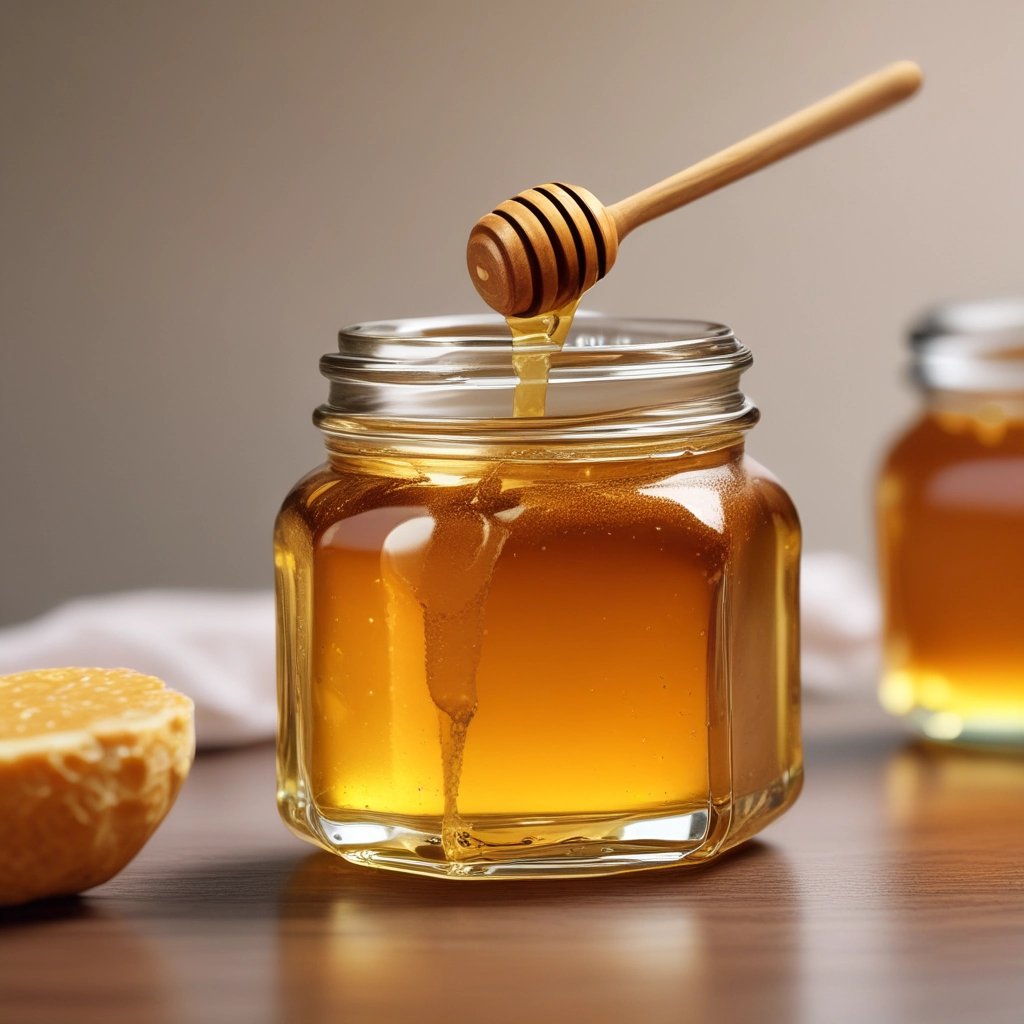
Mead is one of the oldest fermented beverages in the world, made primarily from honey, water, and yeast. Its origins can be traced back thousands of years to various cultures across the globe, leading to a rich history that includes references in ancient texts, myths, and rituals. The unique flavor profile of mead stems from the type of honey used, the water quality, and any additional ingredients such as fruits, spices, or herbs.
There are several types of mead, including traditional mead, melomel (fruit-based), metheglin (spiced), and cyser (made with apples). Each variety showcases different characteristics, often influenced by the choice of honey and additional ingredients. Understanding these distinctions is crucial for home brewers aiming to produce unique mead varieties that align with their flavor preferences.
Despite its long-standing history, mead making is often surrounded by misconceptions that can lead to mistakes in the brewing process. A common fallacy is that mead is simply honey wine, and thus, one may equate mead making with winemaking. While there are similarities, the fermentation process, ingredient ratios, and timeframes can differ vastly. Moreover, some novice brewers assume that any honey can be used interchangeably, neglecting the impact of honey type on the final product's flavor. This oversimplification can deter them from exploring the diverse world of mead.
Another misconception lies in the fermentation timeline; many believe that mead should be consumed shortly after brewing, while in reality, some meads benefit from aging. This can enhance the complexity and depth of flavors, making it essential for brewers to embrace patience. Recognizing these misconceptions lays a solid foundation for understanding the mead making process, arming aspiring brewers with the knowledge needed to avoid common pitfalls.
Identifying Common Faults in Mead Making
Mead making, while rewarding, is fraught with challenges that can lead to unsatisfactory results. Recognizing prevalent faults in mead can significantly enhance the home brewing experience. Among the most common issues are fermentation troubles, which often manifest as sluggish or stuck fermentation. This occurs when yeast is unable to convert all the sugars into alcohol, resulting in an excessively sweet or unbalanced final product. Causes can include inadequate yeast health, suboptimal fermentation temperatures, or insufficient nutrient levels for the yeast.
Another prevalent issue is the presence of off-flavors, which can detrimentally impact mead quality. Off-flavors may stem from various sources including poor sanitation practices, excessive oxidation, or inappropriate ingredient combinations. Off-flavors often include notes reminiscent of vinegar, bandaids, or a metallic taste, which can arise from insufficient cleaning of brewing equipment or from the use of unfiltered water. Identifying these undesirable flavors early on can prevent substantial losses in future batches.
Clarity issues are also noted among novice mead makers. A lack of clarity can lead some to question the quality of the mead, despite tasting well. Cloudiness is generally caused by suspended yeast, proteins, or pectin, and can often be remedied through racking, or the process of transferring mead from one vessel to another, allowing sediment to settle. Additionally, the use of clarifying agents like bentonite can help achieve a more visually appealing mead.
Lastly, carbonation errors can result in flat or over-carbonated mead. Flat mead typically results from insufficient sugar being added before bottling, while over-carbonation may occur due to excessive sugar or a secondary fermentation that was not managed appropriately. Proper monitoring of fermentation processes and bottling conditions can greatly minimize these carbonation faults.
Preventative Measures: How to Avoid Common Mead Making Mistakes
Mead making can be a rewarding endeavor, yet it also brings the possibility of common mistakes that can alter the quality of the final product. By implementing effective preventative measures, mead makers can significantly reduce the risk of encountering these pitfalls.
First and foremost, proper sanitation practices are crucial in the mead-making process. Ensure that all equipment, including fermenters, airlocks, and other tools, is thoroughly cleaned and sanitized before use. This step helps to prevent unwanted microbial contamination that can spoil the batch. Utilizing a no-rinse sanitizer can streamline this process and ensure a hygienic environment for fermentation.
Temperature control is another vital aspect of mead production. It is essential to maintain an appropriate fermentation temperature, as variations can lead to inconsistent results. Mead yeast has specific temperature ranges that they thrive in; exceeding or falling below these ranges can cause sluggish fermentation or even create off-flavors. Utilize a fermentation chamber or temperature-controlled environment to keep conditions steady throughout the process.
Selecting high-quality ingredients is equally important for successful mead making. The choice of honey, water, and any adjuncts significantly impacts the flavor and aroma of the finished product. Opt for pure, raw honey that has not been overly processed and ensure that any fruits or spices added are fresh and free from contaminants. This will not only enhance the final taste but also contribute to the mead's overall health and stability.
Lastly, maintaining proper fermentation conditions involves monitoring the specific gravity and pH levels during the fermentation process. These measurements will provide insights into the health of the mead, enabling timely adjustments if necessary. By paying attention to these fundamental aspects, mead makers can avoid common mistakes and achieve a high-quality product right from the start.
When venturing into the world of mead making, it is not uncommon to encounter various issues that can affect the quality of the final product. Fortunately, many of these common mistakes have straightforward solutions that can help you salvage your brew and enhance your mead-making skills.
One prevalent issue that mead makers face is off-flavors, which can arise from matters such as improper fermentation temperatures or using low-quality ingredients. To correct these flavors, one effective method is blending the mead with a more balanced version. This involves making a new batch of mead, intentionally selecting better ingredients and maintaining optimal fermentation conditions. By blending in this way, the off-flavors can be masked or diminished, resulting in a more harmonious beverage.
Another common problem is haziness, which might occur due to insufficient clarification during the fermentation process. To address this, the use of clearing agents such as bentonite or gelatin is recommended. These agents are effective in binding to suspended particulates, which helps clear up the mead over time. When applying these agents, it is crucial to follow the manufacturer's instructions carefully to ensure the best results.
Furthermore, when it comes to carbonation, many mead makers struggle with achieving the right level of fizziness. If your mead is flat, you can carbonate it through natural methods by adding priming sugar before bottling, allowing the yeast to create carbon dioxide. On the other hand, if your mead is over-carbonated, it is advisable to gently degas it. This can be achieved by using a degassing wand or simply swirling the mead gently to release excess gas, ensuring your final product has the desired carbonation level.
Join
Sign up for recipes, tips, and expert advice
Contact
Subscribe
hello@fermentedcuriosities.com
© 2026. All rights reserved.