
The Legacy of Jimmy Carter: Legalizing Home Brewing and Winemaking
History of Jimmy Carter legalizing home brewing and home winemaking.
PEOPLE
4/26/20268 min read
Introduction to Jimmy Carter's Influence
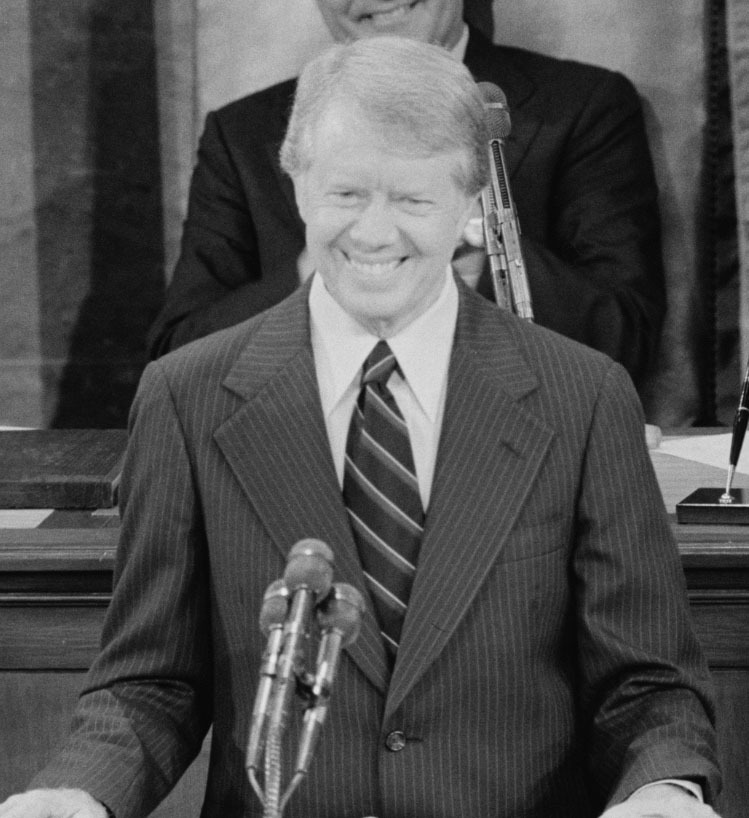
Jimmy Carter, the 39th President of the United States, served from 1977 to 1981 during a time characterized by significant political and economic challenges. His presidency is often remembered for its dedication to human rights, environmental sustainability, and foreign diplomacy, particularly in the context of the Camp David Accords between Israel and Egypt. Despite facing various domestic issues, including the energy crisis and rising inflation, Carter's administration made notable strides that have shaped policy and public sentiment in America.
One of the more understated legacies of Jimmy Carter pertains to the initiatives surrounding personal liberties, particularly in the realm of home brewing and winemaking. While these activities may appear to be minor aspects of his policy decisions, their legalization represented a pivotal moment in the American culture of the late 20th century, reflecting Carter's broader commitment to individual freedom and self-expression.
The legalization of home brewing marked a significant shift in how Americans viewed alcohol production. Prior to the Carter administration, home brewing was illegal in many states, stifling a tradition that had previously flourished in American history. By encouraging the legal rights of citizens to produce their own beer and wine, Carter not only advanced the personal freedoms of individuals but also contributed to the resurgence of craft brewing and winemaking practices in the United States.
Moreover, this policy change catalyzed an emerging industry that would grow exponentially in the subsequent decades. The cultural shift towards artisanal and locally produced beverages is frequently traced back to this era, demonstrating how a seemingly small legislative effort can resonate throughout society. As we explore the legacy of Jimmy Carter, it is essential to recognize these contributions as integral to his presidency, which combined humanitarian ideals with practical progress.
The State of Alcohol Prohibition in America
The history of alcohol prohibition in the United States is deeply intertwined with cultural, social, and economic factors. The Eighteenth Amendment, ratified in 1920, established nationwide prohibition, outlawing the production, sale, and transportation of alcoholic beverages. This period, commonly referred to as Prohibition, aimed to curtail the consumption of alcohol, which many believed was the root cause of various societal issues. However, the unintended consequences of such laws were manifold, resulting in the rise of illegal speakeasies and bootlegging, which flourished during this time.
The impact of Prohibition laws extended far beyond illicit markets; home brewing and winemaking were also significantly affected. Prior to Prohibition, many Americans engaged in these activities for personal consumption, enjoying a rich tradition of local craft production. However, the Eighteenth Amendment effectively criminalized home production, stifling this vibrant culture. Many amateur brewers and winemakers were driven underground, as the law created an environment hostile to these once-accepted practices. The criminalization of home brewing stunted innovation in local beverage production and restricted the sharing of generational techniques.
Public sentiment surrounding alcohol consumption widely varied during this era. While some segments of society ardently supported prohibition, advocating for its moral implications, many others resisted these laws, perceiving them as a violation of personal liberties. Grassroots movements surfaced, promoting the idea of individual choice in the matter of alcohol consumption. This growing discontent, coupled with the economic difficulties experienced during the Great Depression, ultimately contributed to the repeal of Prohibition in 1933 with the Twenty-first Amendment. Understanding this historical context is crucial as it paved the way for significant legislative changes, influencing future policies on home brewing and winemaking, which would eventually be affected by Jimmy Carter's presidency.
Carter's Advocacy for Home Brewing and Winemaking
Jimmy Carter’s presidency heralded a significant shift in how alcohol production at the personal level was perceived and regulated in the United States. He believed in the importance of personal freedoms and the notion that individuals should have the right to engage in small-scale production of alcohol, particularly through home brewing and winemaking. This perspective was not merely a personal preference but was firmly rooted in his broader commitment to civil liberties and individual autonomy.
During his administration, Carter recognized the historical context surrounding the prohibition of alcohol and the negative impacts that restrictive laws had on individual rights. In a landmark move, he championed the legislation that legalized home brewing for beer enthusiasts, who long felt marginalized by stringent federal regulations. This legislation, enacted in 1978, was groundbreaking; it allowed individuals to brew up to 100 gallons of beer per year for personal use, easing prior constraints that had stifled small-scale production.
Furthermore, his administration sought to promote winemaking by embracing similar principles. The acknowledgment of winemaking as a legitimate home-based activity was a progressive step, reflecting a growing trend towards recognizing the craft as part of American culture. This legislative push was representative of Carter’s broader objectives, favoring localized production processes over industrial monopolies, which often dominated the alcohol market. By supporting home alcohol production, Carter not only acknowledged personal rights but also stimulated local economies and fostered community engagement.
Overall, Carter’s advocacy for home brewing and winemaking was a reflection of his vision for a more liberated society. His emphasis on personal freedoms and the right of individuals to produce their own alcohol created a lasting legacy that continues to influence discussions surrounding alcohol regulation and personal liberties in America today.
The Changes in Legislation: A Closer Look
During the presidency of Jimmy Carter, significant legislative changes took place that profoundly impacted the home brewing and winemaking landscape in the United States. One of the most notable legislative milestones was the passage of the law in 1978 that legalized home brewing and winemaking for personal consumption. This law marked a pivotal shift in the regulatory environment surrounding alcohol production and consumption, effectively empowering individuals to engage in these practices legally.
The implications of this legislation were far-reaching. Prior to 1978, home brewing was restricted under federal law, significantly limiting the ability of enthusiasts to craft their own beers and wines. The new law not only eliminated these prohibitive constraints but also encouraged a resurgence of interest in traditional and artisanal methods of fermentation. As a result, craft brewing began to flourish across the country in the years immediately following this legislative change.
Craft breweries, which focus on quality, flavor, and brewing techniques, benefited immensely from the legalization. Many individuals who started brewing at home transitioned into the craft brewing industry. This growth was not merely economic but also cultural, as communities began to appreciate diverse local flavors and brewing traditions. In addition, the craft beer movement that emerged in the decades following Carter’s presidency became a powerful part of American culture, establishing a sense of identity and creativity among enthusiasts.
Furthermore, the 1978 law served as an important catalyst for subsequent policy debates regarding alcohol production and regulation. It paved the way for further legislative developments aimed at promoting small-scale producers and enhancing consumer access to a wide variety of beverages. As other states followed suit, the legalization of home brewing and winemaking became an integral part of the framework for modern American brewing culture.
Impact on American Culture and Craft Brewing
The legalization of home brewing and winemaking, initiated during Jimmy Carter's presidency, marked a significant shift in American cultural norms surrounding alcohol consumption. Prior to this policy change, home brewing was often viewed through the lens of prohibition-era restrictions, which limited individuals' ability to create their own beverages. By lifting these restrictions in 1978, Carter not only acknowledged the long-standing tradition of brewing in American households but also spurred a newfound appreciation for artisanal beverages.
As people began to experiment with home brewing and winemaking, there was a notable increase in interest in the craft beverage industry. Hobbyists from various backgrounds started to forge social connections, sharing equipment, techniques, and most importantly, recipes. This exchange among amateur brewers laid the groundwork for what would soon become a burgeoning craft industry. The ethos of home brewing—emphasis on quality, creativity, and innovation—directly translated into the broader craft beer movement, which gained significant traction in the 1990s and 2000s.
Moreover, the rise in home brewing and winemaking fostered a sense of local identity and community engagement. Small breweries began to pop up across the country, each contributing to local economies while crafting unique offerings that reflected regional tastes. This trend emphasized not only the craft of brewing itself but also the idea of supporting local businesses. As the craft brewing movement grew, so did the understanding and appreciation of diverse brewing styles, inspiring many American consumers to take pride in their local brews.
The cultural impact of Carter’s legalization continues to resonate today. Current trends in sustainability and locally sourced ingredients in brewing directly stem from this shift, encouraging consumers to connect with their beer on a personal level. In essence, Carter’s legacy serves as a catalyst for the craft beverage revolution, influencing how Americans view and engage with their food and drink culture, ultimately celebrating creativity, community, and tradition.
Legacy of Home Brewing and Winemaking Advocacy
Jimmy Carter's presidency marked a pivotal moment in the history of American alcohol laws, particularly concerning home brewing and winemaking. His administration, which lasted from 1977 to 1981, advocated for the legalization of these activities, fundamentally altering the landscape of craft beverage production in the United States. Prior to this period, home production of alcoholic beverages faced stringent regulations that stifled creativity and entrepreneurship among enthusiasts. By signing H.R. 1337 in 1978, Carter enabled individuals to produce up to 200 gallons of homemade beer or wine annually without incurring federal tax, a groundbreaking shift that helped to jumpstart the craft beverage movement.
Since Carter's reforms, there has been a notable evolution in the acceptance and regulation of home brewing and winemaking across the country. The deregulation championed by Carter laid the groundwork for the explosion of craft breweries and wineries that characterize the American beverage scene today. As people embraced the freedom to create their own beverages, a vibrant community of home brewers and vintners emerged, leading to greater consumer interest in local and artisanal products.
Moreover, Carter’s advocacy has influenced legislative changes at the state level, allowing many states to recognize home brewing as a legitimate hobby. Current laws vary widely, reflecting a mosaic of regulatory environments influenced by this presidential legacy. For instance, some states have enacted laws that further ease restrictions, enabling individuals to sell their homemade products under specific conditions. This progression demonstrates the profound impact of Carter's vision on the current craft beverage landscape.
Today, the craft beverage industry thrives, with thousands of microbreweries and wineries operating within a regulatory framework that appreciates small-scale production. The spirit of innovation and localization that Jimmy Carter heralded continues to inspire new generations of entrepreneurs, ensuring that his legacy endures in a society increasingly captivated by craft brewing and winemaking.
Conclusion: Celebrating a Milestone in Personal Freedom
Jimmy Carter's administration marked a pivotal moment in the history of personal freedoms in the United States, particularly in relation to home brewing and winemaking. The legalization of these activities reflected a broader recognition of individual rights, allowing citizens to engage in the production of their own beverages within the comfort of their homes. This landmark decision not only symbolized a shift towards deregulation but also fostered a culture of creativity, craftsmanship, and self-sufficiency.
The implications of Carter's efforts extend beyond mere legalities; they resonate with the ethos of personal empowerment. By dismantling restrictive laws governing home brewing and winemaking, Carter's policies encouraged individuals to explore their passions and preferences, leading to a revival of traditional practices. As the culinary landscape has evolved, this newfound freedom has paved the way for a thriving community of amateur brewers and winemakers, further enriching local economies and inspiring innovative culinary experiences.
Today, the legacy of legalizing home brewing and winemaking continues to influence contemporary discussions around personal liberties, craft production, and even sustainability. Individuals are increasingly looking to local, artisanal products, driven by a desire for quality and authenticity. The freedoms secured by Carter's endeavors serve as a reminder that advocacy for personal rights can lead to significant societal changes, encouraging people to express their creativity and pursue their interests unencumbered by outdated regulations.
In conclusion, Jimmy Carter's contributions to the legalization of home brewing and winemaking represent not only a significant milestone in personal freedom, but they also inspire ongoing conversations about individual rights and creativity in the United States. The movement towards greater personal liberties, initiated during his presidency, continues to thrive and evolve, embodying the spirit of innovation and self-expression that defines American culture.