Exploring Dampf Bier: History, Ingredients, and Commercial Examples
History of Dampf Bier, how to make it, and commercial examples.
BEER
4/21/20268 min read
What is Dampf Bier?
Dampf Bier, a unique style within the expansive world of beer, is characterized by its distinctive brewing process and flavor profile. This German-origin beer is often recognized for its half-fermented, top-fermented characteristics, primarily utilizing a combination of ale and lager yeast strains. This unique fermentation method serves to produce a variety of flavor nuances that sets Dampf Bier apart from other popular beer styles.
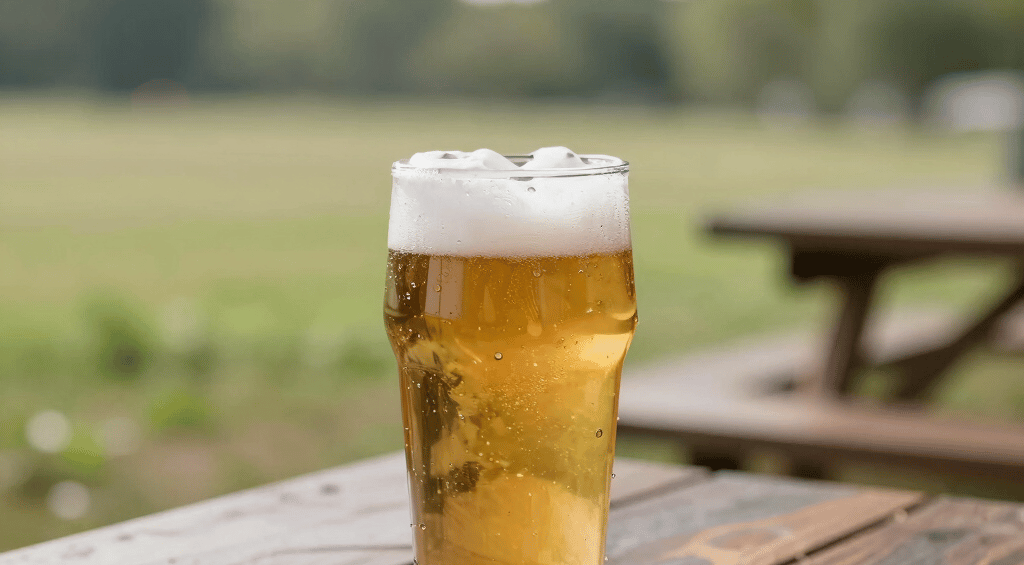
The aroma of Dampf Bier is typically earthy with hints of fruitiness, due to the specific yeast strains employed during production. Its appearance presents a golden to amber hue, often slightly cloudy because of the suspended yeast particles, which are a hallmark of its less refined brewing process. The taste can be described as mildly bitter with a touch of sweetness, creating a delicate balance that appeals to both new and seasoned beer aficionados.
In terms of alcohol content, Dampf Bier usually ranges from 4.5% to 6%, which places it comfortably within the moderate spectrum of beer strengths. Typically, it offers moderate carbonation, lending it a refreshing quality that is perfect for casual consumption or pairing with various foods.
Throughout Germany, Dampf Bier is traditionally consumed in more localized regions, fostering a dedicated following amongst craft beer enthusiasts. Its distinctive characteristics and artisanal brewing methods appeal to individuals seeking a different drinking experience than the standard pilsners or lagers prevalent in the market. As such, Dampf Bier has begun to carve out its niche within the broader craft beer market, gaining traction in various global beer festivals and craft breweries.
A Brief History of Dampf Bier
Dampf Bier, often recognized for its unique characteristics, has a rich history that traces back several centuries. Its origins are believed to stem from the traditions of brewing in Germany, specifically in the regions that value the delicate balance of flavors and brewing techniques. The name "Dampf Bier" translates to "steam beer," which hints at the fermentation methods employed in its production. Early recipes indicate that this style of beer was crafted using high temperatures in the fermentation process.
During the 19th century, Dampf Bier gained popularity among the working class in Germany and various parts of Europe, primarily due to its refreshing taste and relatively lower alcohol content. This made it a preferred choice among laborers who sought a beverage that would quench their thirst while providing additional hydration throughout their demanding workdays. As the Industrial Revolution began to take hold, several breweries recognized the commercial potential of Dampf Bier, leading to its mass production.
Noteworthy breweries, like Anchor Brewing Company in San Francisco, have played a significant role in popularizing this beer style outside of Europe. Their interpretations of Dampf Bier utilized both traditional and modern brewing methods, appealing to a broader audience that favored craft beers. Additionally, the infusion of innovative ingredients and brewing techniques has allowed Dampf Bier to evolve over the years while still retaining its core essence.
As brewing technology advanced, so did the processes involved in Dampf Bier production, incorporating better temperature control and sterilization methods. This progression not only improved the quality and consistency but also paved the way for new variations. The influence of historical and cultural contexts surrounding Dampf Bier reflects the interplay between tradition and innovation, underscoring its significance in beer culture.
Typical Ingredients Used in Dampf Bier
Dampf Bier, a distinctive style of German beer, is renowned for its unique brewing techniques and flavor profiles. At the heart of this beverage lies a selection of carefully chosen ingredients, each contributing significantly to its character. The primary ingredient in Dampf Bier is malt, typically derived from two-row barley. This specific grain imparts a mild sweetness and robust body, allowing it to serve as a perfect canvas for additional flavors to emerge.
The brewing process often utilizes a combination of malts, which can include Munich malt for its rich, malty essence or Pilsner malt for a cleaner, crisper finish. The balance of these grains is crucial, as it influences not only the beer’s flavor but also its aroma and overall mouthfeel. Alongside barley, some breweries experiment with specialty grains such as wheat or rye, adding layers of complexity and contributing to the beer's creamy texture.
Hops play a vital role in creating the distinct bitterness that counterbalances the sweetness of the malt. Traditional German hop varieties, like Hallertauer or Tettnanger, are commonly employed, known for their floral and spicy notes. These hops are carefully selected to ensure they enhance rather than overpower the balance of flavors. The quality of hops can affect the aroma and can be a deciding factor in the beer's finishing characteristics.
Yeast strains also significantly influence the final profile of Dampf Bier. Top-fermenting yeast is often used in this style, allowing for a fruity and ester-driven aroma that pairs well with the malt profile. Additionally, some breweries may introduce adjunct flavorings, including spices or fruits, to create a more distinctive taste experience. These enhancements must be subtle so as not to overshadow the core flavors derived from malt and hops. Hence, each ingredient in Dampf Bier plays an indispensable role, working harmoniously to create a refreshing and memorable drinking experience.
The Brewing Process of Dampf Bier
The brewing process of Dampf Bier is a meticulous procedure that requires a deep appreciation for traditional practices and a keen understanding of the ingredients involved. It typically begins with mashing, where crushed malts are combined with hot water. This step is crucial, as it activates enzymes in the malt, which convert starches into fermentable sugars, ultimately influencing the beer’s flavor and alcohol content.
After mashing, the mixture is strained to separate the liquid wort from the solid grain husks. The wort is then boiled, a process that serves several purposes. Boiling not only sterilizes the wort but also extracts bitterness and flavor from the hops added at this stage. For Dampf Bier, the selection of hops is particularly important, as it defines the beer's aromatic profile and contributes to its unique taste.
Once boiling is complete, the wort is rapidly cooled to a temperature suitable for fermentation. This careful temperature management is vital; it helps preserve the delicate hop aromas while preparing the wort for yeast inoculation. After cooling, the wort is transferred to fermentation vessels, where yeast is introduced. The fermentation stage is characterized by the yeast’s consumption of the sugars, producing alcohol and carbon dioxide. Dampf Bier is often fermented at cooler temperatures compared to many other beer styles, leading to a slower fermentation process that adds complexity to its flavor.
Following fermentation, the beer undergoes a conditioning phase, allowing the flavors to meld and develop. This stage can vary in length, but it typically lasts several weeks. The final product is then carefully filtered and bottled or canned, ensuring that the rich flavors and aromas characteristic of Dampf Bier are preserved. This brewing methodology distinguishes Dampf Bier from other beers, as it reflects a commitment to traditional brewing techniques and attention to detail.
Cultural Significance of Dampf Bier
Dampf Bier, often referred to as steam beer, holds a distinct place within the cultural tapestry of regions where it is brewed. Primarily associated with German heritage, this beverage is more than just a refreshment; it embodies local customs and communal celebrations. The brewing process, which is unique due to its fermentation temperature and methods, has been passed down through generations, turning Dampf Bier into a symbol of craftsmanship and tradition.
In many communities, Dampf Bier is prevalent during local festivities, particularly in Oktoberfest celebrations where it garners attention alongside other traditional German brews. These events not only showcase the beverage itself but also serve as an opportunity for locals and tourists alike to engage in the surrounding culture, making Dampf Bier a focal point in social gatherings. The beer's smooth and crisp taste often complements various regional dishes, proving that it is an ideal pairing for hearty German meals such as sausages and pretzels. Its versatility makes it a staple at family gatherings and holiday feasts, further embedding it into the cultural practices of dining and socializing.
Moreover, some breweries have initiated festivals dedicated specifically to Dampf Bier, celebrating its unique qualities and encouraging greater public interaction. These gatherings typically feature tastings, competitions, and education segments about brewing methods and food pairing. Notably, such activities promote not only a deeper appreciation for Dampf Bier but also the collaborative spirit within the brewing community. Each beer offers a narrative of local pride, showcasing how traditional methods can enrich modern appreciation of brews.
Commercial Examples of Dampf Bier
Dampf Bier, characterized by its unique brewing method and rich flavor profile, has gained popularity among beer enthusiasts worldwide. Several brands have emerged, showcasing the diversity and craftsmanship involved in Dampf Bier production. Below is a selection of notable commercial Dampf Bier brands available on the market today.
One prominent example is Paulaner Dampf Bier. This Munich-based brewery offers a traditional Dampf Bier that captures the essence of German brewing heritage. Known for its light, refreshing taste, this beer features a slightly fruity aroma and a hint of spice. The traditional bottle design, adorned with the Paulaner logo, stands out on the shelves. It has garnered various accolades, including awards at the European Beer Star competition.
Another brand worth mentioning is Schneider Weisse Dampf Bier. Schneider’s take on Dampf Bier emphasizes a blend of wheat malt and lighter Pilsner malt, resulting in a naturally cloudy, golden beer. This variety has a mildly tart flavor complemented by a subtle sweetness, making it particularly enjoyable during warmer months. Consumers can find this beer at specialty stores or online retailers, as it is widely distributed across Europe and beyond.
Ayinger Dampf Bier is also a significant contender in this category. Brewed in Bavaria, Ayinger offers a well-balanced beer with a harmonious combination of malt and hop character. Its crisp finish coupled with a smooth mouthfeel has made it a favorite among beer aficionados. Ayinger Dampf Bier is often available in both bottles and cans, making it accessible at many local supermarkets and bars.
Finally, Weihenstephan Dampf Bier stands out as one of the oldest breweries in the world, lending tradition to its brews. This Dampf Bier has an exceptional herbal profile with a mildly malty sweetness, recommended for pairing with various dishes. Its elegant packaging and historical significance make it a remarkable choice for consumers seeking high-quality beers. Available at specialized beer shops and online, Weihenstephan's offerings can be appreciated by all.
Conclusion: The Future of Dampf Bier
The landscape of the craft beer industry is ever-evolving, and Dampf Bier is no exception. As consumer preferences shift toward unique, flavorful brewing styles, Dampf Bier presents significant opportunities for growth both domestically and internationally. The distinct characteristics of this beer, including its robust flavor profile and artisanal production methods, have attracted a niche following that is poised to expand.
Recent trends indicate a growing interest in traditional brewing techniques, with many craft breweries experimenting with Dampf Bier's unique characteristics. Innovations in brewing, such as incorporating locally sourced ingredients and utilizing modern technology for fermentation, are likely to enhance the quality and appeal of Dampf Bier. Breweries are increasingly focused on authenticity and transparency in their production processes, which aligns with the current consumer demand for artisanal and sustainable products.
Moreover, the rise of international markets presents additional avenues for Dampf Bier to flourish. As craft beer becomes a global phenomenon, the unique qualities of Dampf Bier can attract discerning consumers seeking new flavors and experiences. Strategic marketing efforts that highlight its distinct heritage and brewing process will likely enhance its visibility in competitive markets.
In a time where craft beer options are abundant, Dampf Bier stands out due to its rich history and traditional brewing methods. As long as breweries prioritize innovation while respecting tradition, Dampf Bier has a promising future. With a dedicated focus on quality, authenticity, and strategic outreach, this distinctive brew can carve its place within the broader craft beer landscape and continue to thrive in an increasingly diverse market.
Join
Sign up for recipes, tips, and expert advice
Contact
Subscribe
hello@fermentedcuriosities.com
© 2026. All rights reserved.