Exploring the Art of Fat Washing in Cocktails and Spirits
What is fat washing? The process and pioneers in fat washing spirits and cocktails.
SPIRITSCOCKTAILS
4/16/20267 min read
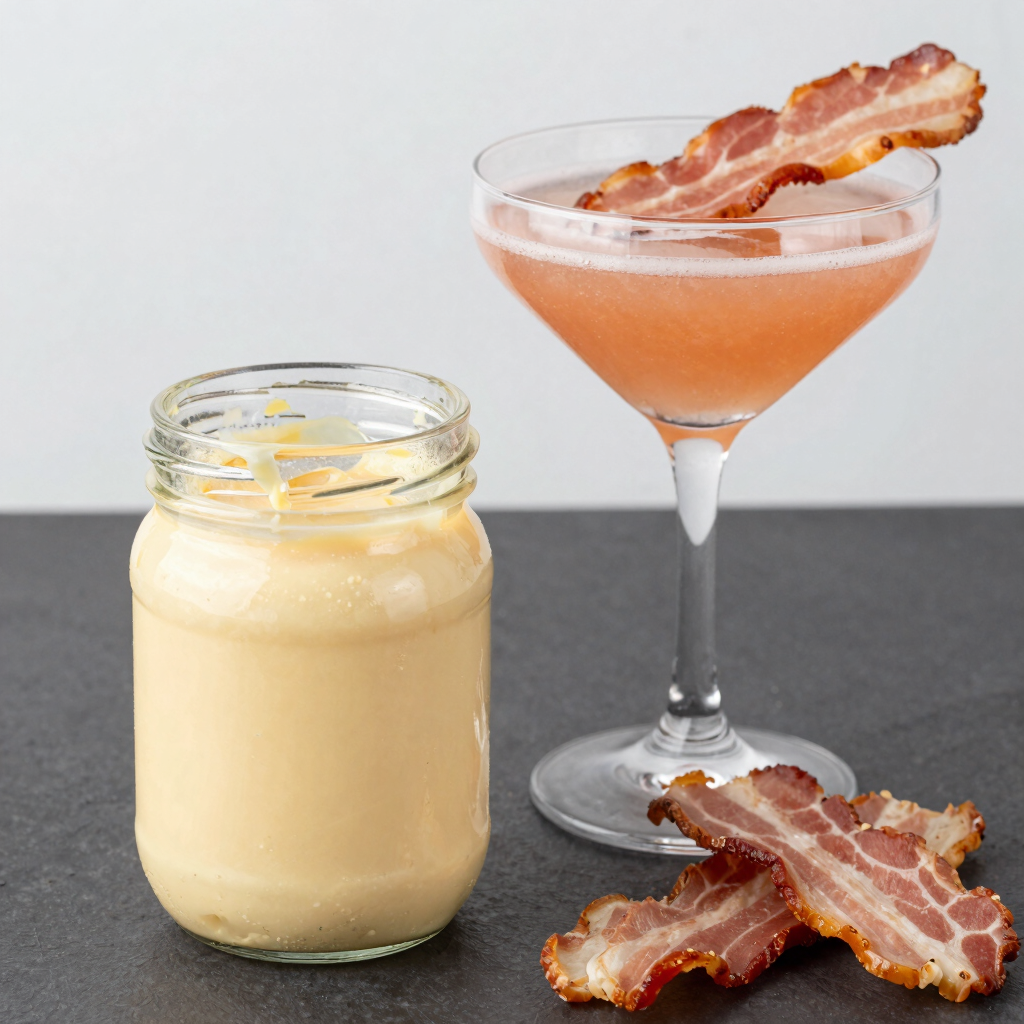
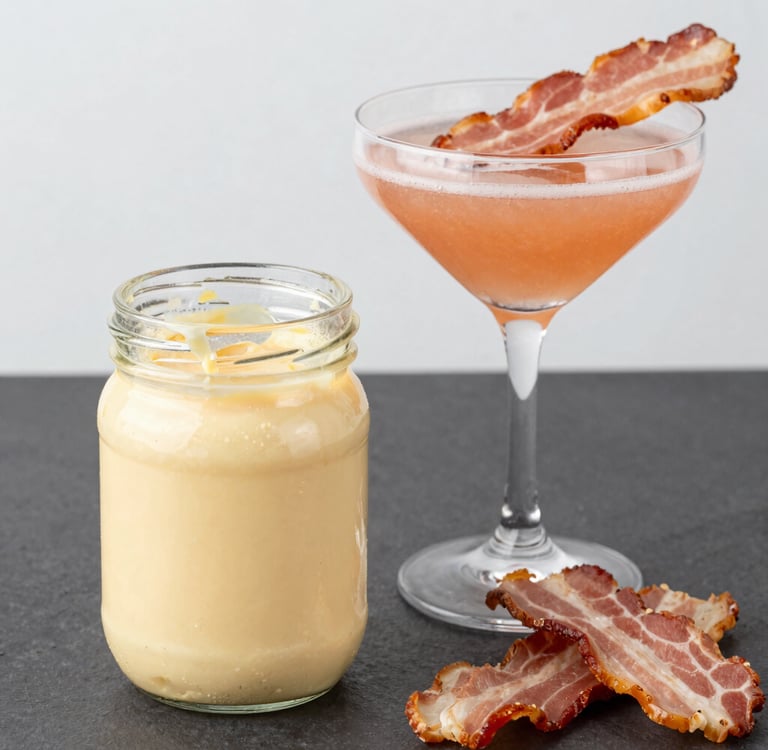
Fat washing is a culinary technique that has gained notable recognition in the world of mixology. This method involves infusing spirits with fats, such as bacon fat, butter, or coconut oil, leading to an enhanced flavor profile that is distinct from conventional infusion methods. The essential principle behind fat washing is to leverage the unique flavors of various fats and incorporate them into alcoholic beverages, thereby enriching the overall tasting experience.
During the fat washing process, the chosen fat is melted and combined with a neutral spirit, which allows the fat’s aromatic compounds to infuse into the liquid. Once the mixture cools, the fat solidifies and can be separated from the infused spirit, leaving behind a smooth, flavorful product. This technique is particularly effective because fats can carry and stabilize flavors that might otherwise dissipate in alcohol, contributing complex layers to cocktails.
Unlike traditional infusion methods that may involve fruits, herbs, or spices, which impart their essence directly into the liquid, fat washing imparts a richness and mouthfeel that alters the drink’s texture. For instance, a whiskey fat-washed with bacon can introduce savory notes that evoke umami, transforming familiar cocktails into innovative culinary creations. This distinctive approach not only broadens the range of flavor possibilities but also distinguishes fat washing from other infusion techniques, emphasizing its role in elevating spirits and cocktails with unexpected tastes and aromatic qualities.
In conclusion, fat washing is a creative and versatile technique that brings a new dimension to the art of mixology, allowing bartenders to craft cocktails that surprise and delight the palate.
The Fat Washing Process
Fat washing is a creative technique used in mixology to infuse spirits with rich, savory flavors derived from fats. This process is both simple and intricate, requiring careful attention to detail to achieve the desirable taste. The fundamental concept is to blend fat with alcohol, allowing the spirit to absorb rich flavors while the fat remains separate. Numerous types of fats can be employed in fat washing, including oils, butters, and rendered fats from meats.
The initial preparation involves selecting a suitable fat that complements the desired flavor profile of the cocktail. Common choices are bacon fat for a smoky, savory element or coconut oil for a touch of sweetness. The fat must be melted to achieve a liquid state, making it easier to mix with the spirit. Once melted, it can be combined with the chosen spirit in a container, ensuring that the fat and alcohol are well mixed. This blending period is crucial, as it allows the alcohol to absorb the unique flavors embedded in the fat.
After mixing, the infusion process typically lasts from several hours to a full day, depending on the intensity of flavor desired. Once the infusion period is complete, the spirit undergoes filtration to remove the solidified fat. This is done by chilling the mixture in a refrigerator or freezer, which causes the fat to solidify and rise to the top. When sufficiently cold, the fat can be easily scraped or strained off, leaving behind a spirit rich in complex flavors. It is advisable to conduct a taste test post-filtration to assess the infusion strength. For optimal results, experimenting with blending times and types of fats can lead to customization that suits one's palate, enhancing the cocktail experience.
A Brief History of Fat Washing
The technique of fat washing has its roots in culinary traditions, particularly within the realm of haute cuisine. By the mid-20th century, chefs began experimenting with infusing flavors into various liquids, which laid the groundwork for innovative practices in cocktail preparation. The actual concept of fat washing, however, gained prominence in the early 2000s, becoming a staple among mixologists eager to elevate the offerings at their establishments.
In the late 20th century, the craft cocktail movement began to reshape how drinks were crafted, emphasizing quality ingredients and meticulous techniques. Influential bars such as PDT (Please Don’t Tell) in New York City and Employees Only played pivotal roles in popularizing fat washing through their inventive drink menus. Notably, bartender David Arnold is often credited with formally introducing the technique to the cocktail community, showcasing its potential to create uniquely flavored spirits.
Fat washing involves the infusion of a spirit with a fat—such as bacon fat, coconut oil, or butter—allowing the oils to impart rich flavors into the liquor. Once cooled and strained, the resulting product is a spirit that exhibits a distinct mouthfeel and complexity, significantly enhancing cocktail profiles. This technique not only contributed to an expanded flavor palette but also became a conversation piece, inviting patrons to explore new dimensions in mixology.
As the years progressed, other influential figures in the cocktail scene adopted and adapted fat washing, integrating it into their own creative processes. It opened a dialogue about flavor and texture, with mixologists embracing the experimental nature of the technique. Today, fat washing is recognized not only as a method to create unique spirits but also as a notable art form that continues to evolve within the industry.
Pioneers of Fat Washing
The innovative technique of fat washing has transformed the landscape of mixology, captivating the imaginations of bartenders across the globe. Among the early pioneers of this method is the renowned bartender, Lewis Reed, whose experiments in the late 1990s brought attention to the combination of flavors achievable through fat washing. Reed began by infusing oils from bacon into various spirits, creating a savory twist that piqued the interest of cocktail enthusiasts. His initial discoveries showcased how fats could enhance the mouthfeel and aroma of traditional cocktails.
Additionally, the influential mixologist, Don Lee, played a significant role in elevating fat washing within the contemporary cocktail scene. Known for his precise techniques and innovative approach, Lee introduced a range of fat-washed concoctions at his bar. His signature "Fat Washed Rum" made waves, demonstrating that not only animal fats but also plant-based oils could harmonize with spirits. Lee's curiosity and expertise helped clarify the process, making it accessible for other bartenders eager to experiment.
Establishments like PDT (Please Don’t Tell), co-founded by Jim Meehan, have also been instrumental in popularizing fat washing. Meehan's imaginative interpretations of classic cocktails have led to the creation of unique flavors, such as the "Bacon Old Fashioned," which effectively highlights how bold choices can attract a new wave of cocktail drinkers. The adoption of such techniques by reputable venues validates the significance of fat washing as an art form within the culinary world.
In summary, figures like Lewis Reed and Don Lee, along with establishments like PDT, have pioneered the art of fat washing. Their experimentation and innovation have inspired countless bartenders, pushing the boundaries of traditional cocktail crafting and contributing to the ongoing evolution of this fascinating technique.
Common Fats Used in Fat Washing
Fat washing is an innovative technique utilized in the world of cocktails and spirits, enhancing the complexity of beverages by infusing them with unique flavors. Various fats are commonly used in this process, each contributing distinct taste profiles that can elevate a drink's overall experience. Below are some of the most frequently utilized fats in fat washing, along with examples of their applications in mixology.
Bacon fat is perhaps the most popular choice for fat washing, thanks to its savory and smoky qualities. This fat imparts a rich, umami flavor that can transform a cocktail into a robust experience. A classic cocktail featuring bacon fat is the "Bacon Old Fashioned," where the bacon fat enriches the traditional whiskey base, creating an intriguing blend of flavors. Other spirits, like bourbon, also benefit from this fat, enhancing their depth and complexity.
Olive oil serves as another unique option for fat washing, offering a smoother, fruitier flavor profile. It pairs exceptionally well with gin and vodka, contributing a light and refreshing quality. The "Herbed Gin Martini" showcases the use of olive oil fat washing, where the botanical notes are enhanced, leading to a delightful twist on the classic martini.
Coconut oil is cherished for its tropical essence and creamy texture. When used in fat washing, it provides a subtle sweetness that complements rum and tequila beautifully. A notable cocktail featuring coconut oil is the "Coconut Daiquiri," where the infused spirit captures the essence of a beachside getaway.
Lastly, butter is a rich and indulgent fat that adds a velvety mouthfeel to spirits. The "Brown Butter Bourbon" is a perfect illustration of this fat's integral role, where the nutty notes create a decadent sipping experience.
Pairing Fats with Spirits and Cocktails
When embarking on the exciting journey of fat washing in cocktails and spirits, the pairing of different fats with various bases is a crucial consideration. Each spirit possesses unique flavor characteristics that can harmoniously interact with specific fats, enriching the tasting experience. For instance, whiskey, with its robust profile often complemented by caramel and vanilla notes, pairs exceptionally well with rich fats such as bacon or brown butter. This combination not only elevates the whiskey's natural sweetness but also introduces savory and umami elements, creating a well-rounded cocktail.
Rum, particularly dark or spiced varieties, benefits from the inclusion of coconut oil or clarified butter. This pairing amplifies the tropical flavors inherent in rum, while adding a luscious mouthfeel. In cocktails like a Tropical Rum Punch, the infusion of coconut fat can enhance the overall depth, making for a more decadent drink. Conversely, lighter spirits such as vodka can be paired with less intense fats like olive oil or citrus-infused oils to maintain a clean flavor profile, offering subtle richness without overwhelming the palate.
Gin enthusiasts may explore the intriguing combination of gin with fat sources rich in a botanical resonance, such as herb-infused oils or even nut oils. This approach not only complements the gin’s natural juniper and herbaceous notes but also adds a new layer of complexity to classic cocktails like the Negroni or a Gin Martini. When venturing into cocktail recipes, consider introducing fat-washed elements into drinks that traditionally benefit from a smooth, smooth mouthfeel. By carefully selecting fat sources that align with the flavor profiles of the spirits, bartenders can create innovative cocktails that are both memorable and harmonious.
Conclusion: The Future of Fat Washing in Mixology
Fat washing has emerged as a transformative technique in the cocktail and spirits world, captivating the attention of both professional bartenders and culinary enthusiasts. This innovative method infuses spirits with unique flavors and aromas, offering a novel approach to enhancing cocktail profiles. As fat washing gains traction, it is clearly evolving from a niche practice into a more mainstream trend within mixology.
The current status of fat washing indicates a burgeoning interest amongst mixologists who are continually pushing the boundaries of traditional cocktail preparation. Exploring various fats—from bacon and butter to coconut and olive oil—has led to a rich array of flavor possibilities that can elevate a simple drink to a memorable experience. Additionally, the emphasis on artisanal and locally-sourced ingredients further enhances the appeal of fat washing, encouraging creativity and personalization in cocktail crafting.
Looking towards the future, the potential for innovation within fat washing is vast. We can expect to see an increase in experimentation as bartenders and home mixologists alike incorporate diverse fats and new techniques. For instance, the integration of non-traditional fats such as nut butters or vegetable oils could yield exciting variations. Moreover, advancements in technology and tools may facilitate the fat washing process, allowing for more efficient and consistent results.
For home bartenders, embracing fat washing can be an enjoyable and approachable venture. By understanding the fundamentals of the process, they can apply it to their own cocktail recipes, transforming ordinary drinks into extraordinary concoctions. As interest in fat washing continues to grow, it is clear that this method will significantly influence the direction of mixology, leading to a future filled with flavors yet to be discovered.