The Perfect Pour: Exploring Types of Glassware for Serving Beer
Different styles of glassware for serving beer.
BEER
4/8/20264 min read
Introduction to Beer Glassware
The type of glassware chosen for serving beer plays a crucial role in enhancing the overall drinking experience. It is often said that the right glass can elevate not only the taste of the beer but also its aroma and appearance. Beer glassware comes in a variety of shapes and designs, each meticulously crafted to complement specific styles of beer. This diversity is important, as each type of beer has unique characteristics that are best showcased in particular glass shapes.
For instance, a tall, slender pilsner glass accentuates the crispness and clarity of light lagers, while a wide-mouthed glass such as a tulip enhances the complex aromas found in aromatic ales. The shape of the glass can affect how the beer breathes and how the aromas are released, significantly impacting the sensory experience. Moreover, the type of glass can influence the presentation, adding an element of sophistication and attractiveness to the serving.
Furthermore, the material of the glass is also worth considering. Glasses made from crystal can enhance the visual appeal, while those made from thicker materials can keep the beer colder for longer. In addition, the way a glass is designed can dictate how the carbonation interacts with the beer and how it feels in the mouth, making it an essential component to consider for avid beer enthusiasts.
Ultimately, the choice of glassware is not merely about aesthetics; it is an integral part of appreciating beer. Understanding the interaction between the beer and its glass can transform the drinking of beer from a simple pleasure into a refined experience, allowing drinkers to savor each sip more fully.
Common Types of Beer Glasses
When it comes to serving beer, the type of glassware can significantly enhance the drinking experience. Among the various options available, several common types are particularly popular. Each of these glass styles has its own unique design and purpose, making them well-suited for specific beer styles.
The pint glass is one of the most recognizable beer glasses. Characterized by its tall, straight sides and wide rim, it typically holds 16 ounces of beer. This glass is often used for a range of beers, including ales and lagers. Its shape promotes accessibility and ease of drinking, making it a favorite in pubs and bars around the world.
Mugs, often associated with traditional beer-drinking culture, are characterized by their sturdy handle and thick walls. These glasses can hold various volumes but typically range from 12 to 20 ounces. Mugs are ideal for serving maltier beers such as stouts and porters, as their robust design helps retain heat and enhance the flavors of richer brews.
Tulip glasses, with their bulbous body and flared lip, are designed to concentrate the aromas of the beer, making them perfect for aromatic styles like Belgian ales and IPAs. The unique shape encourages a proper head of foam, which enhances both presentation and taste.
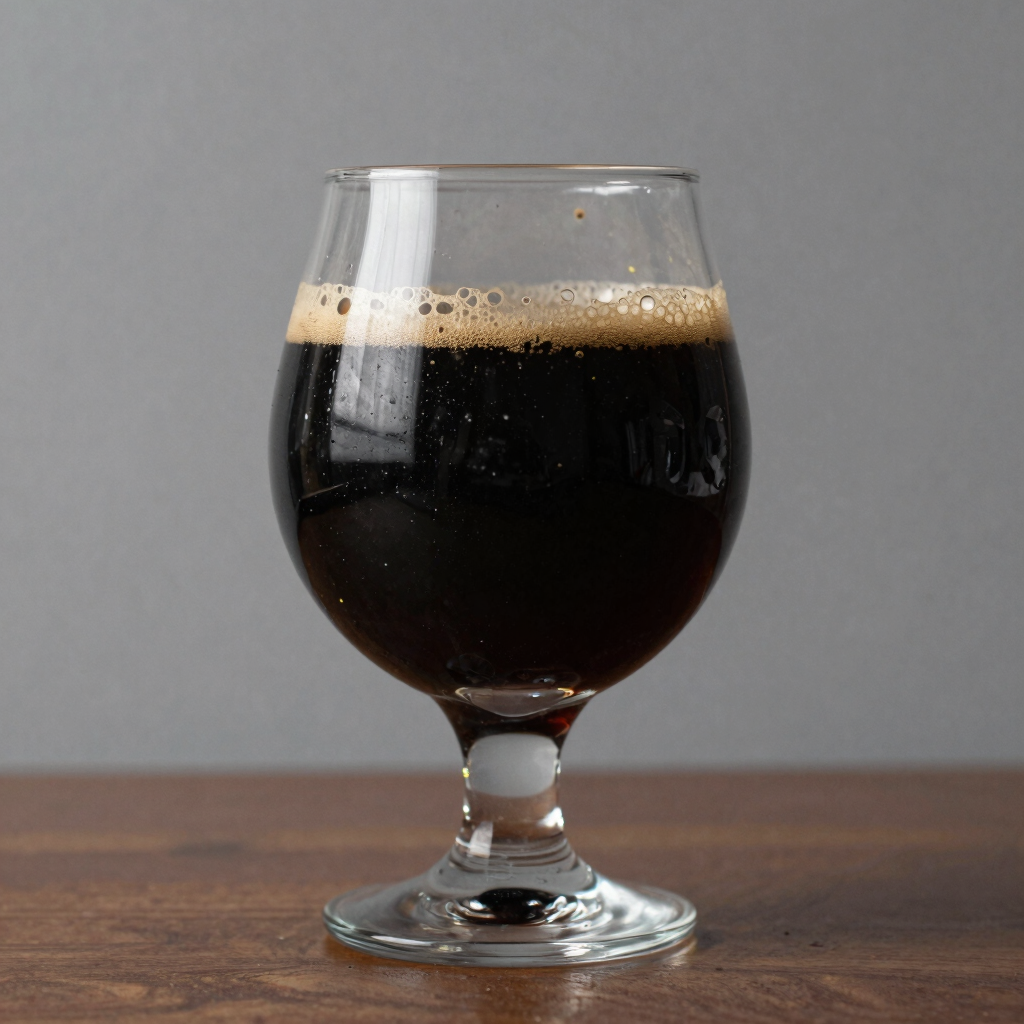
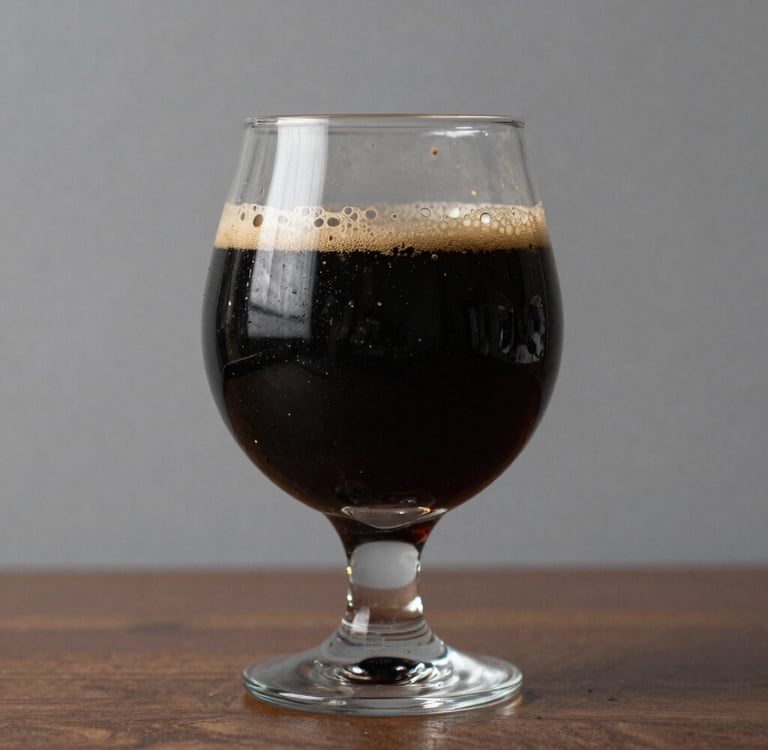
Snifters, commonly associated with higher-alcohol and darker beers, possess a short stem and a wide bowl, which optimizing the release of complex aromas. They are particularly effective for enjoying rich styles such as barleywines and imperial stouts.
Lastly, steins, often made of stoneware or glass, are large mugs that come with a lid. While they are frequently celebrated in Oktoberfest and similar celebrations, they can be utilized for enjoying a variety of beer styles, particularly lagers and pilsners, promoting a friendly drinking atmosphere.
The Science Behind Beer Glass Design
The design of a beer glass plays a critical role in enhancing the sensory experience of consuming beer. Various scientific principles underscore how the shape and size of glassware can influence carbonation retention, aroma concentration, and flavor perception. Each of these elements contributes significantly to the overall enjoyment of beer.
Firstly, the shape of a beer glass affects carbonation retention. Glasses that taper at the top, such as the classic pint or tulip glass, can help trap the bubbles longer, leading to a more prolonged effervescence. This is essential in preserving the beer's freshness and delightful mouthfeel. Conversely, wider vessels, like mugs, may allow for more rapid dissipation of carbonation, which can alter the drinking experience.
Secondly, the aroma of beer is an integral component of its flavor. The glass design influences how aromas are concentrated. For example, curved glasses or those with a narrower opening direct the scents toward the nose as the drink is raised. This sensory experience is crucial, as much of what we perceive as "taste" derives from aromatic compounds detected by our olfactory senses. Therefore, choosing the appropriate glassware helps highlight the intricate notes present in different beer styles.
Lastly, the overall perception of flavor is impacted by the interaction between the beer and the glass. A frosted mug might give a refreshing feeling, but it can mute complex flavors, while a snifter promotes warmth and allows for fuller flavor exploration. This correlation underscores the importance of selecting suitable glassware for each beer type, maximizing its qualities. Understanding these elements paves the way for a richer beer tasting experience.
Choosing the Right Glass for Your Beer
Selecting the right glassware can significantly enhance your beer-drinking experience. Different beer styles, occasions, and personal preferences play crucial roles in the choice of glass. Understanding the characteristics of various beers and their recommended glass types is essential for anyone looking to elevate their enjoyment of this versatile beverage.
Firstly, consider the beer style you are serving. Lagers and pilsners are typically best enjoyed in tall, slim glasses like the pilsner glass, which helps showcase their golden color and effervescence. On the other hand, ales, particularly those with complex flavors like IPAs and stouts, benefit from wider glasses, such as pint or tulip cups, allowing for better aroma release. A stemmed glass can be ideal for more delicate beers, such as lambics or certain Belgian varieties, as it keeps the beer temperature cooler while allowing for full appreciation of the bouquet.
Next, think about the occasion. A casual gathering might call for standard pint glasses or sturdy mugs, while a formal event may warrant more elegant stemware to match the sophistication of the beer being served. Additionally, personal preference should not be overlooked. Some individuals may enjoy the tactile experience of holding a heavier glass, while others might prefer a lighter, more delicate option.
Ultimately, understanding these various elements will allow beer enthusiasts to select the optimal glass for their chosen brew. By aligning the beer style, occasion, and personal taste, it becomes possible to create not only a more enjoyable drinking experience but also an appreciation for the art of beer itself. This careful selection contributes to the overall enjoyment of the beverage, making it a key component for any beer lover.
Join
Sign up for recipes, tips, and expert advice
Contact
Subscribe
hello@fermentedcuriosities.com
© 2026. All rights reserved.