Exploring Maibock: History, BJCP Guidelines, and an All Grain Homebrew Recipe
Maibock history, BJCP Guidelines, food pairings, and how to make this style of beer.
BEER
4/8/20268 min read
The Origins of Maibock
Maibock, a strong lager originating from Germany, has its roots deeply embedded in Bavarian brewing traditions. This beer style emerged during the 20th century as a seasonal variant of the traditional bock beer, traditionally consumed during the winter months. The term "Maibock" literally translates to "May bock," indicating its association with the arrival of spring. Brewed to be enjoyed around May, it signifies the warm weather's return and the festive spirit accompanying this transition from winter.
The history of Maibock is closely linked to the broader category of bock beers, which have been brewed in Germany since the twelfth century. The original bock style was a dark, malty lager made using Munich malt, and the recipe evolved over time to accommodate changing tastes and brewing techniques. By the 18th century, brewers in Munich began to develop lighter, paler versions of these beers, which ultimately led to the creation of Maibock. This adaptation provided a refreshing alternative for drinkers as they welcomed the sunny days of spring.
Culturally, Maibock holds a significant position in German festivities, often enjoyed during celebrations such as the May Day festivities and various spring festivals. These occasions highlight the communal aspect of beer drinking in German society, where Maibock is frequently served alongside traditional foods to complement its rich, malty flavors. The beer has, over the years, become synonymous with springtime, symbolizing renewal and the joy of coming together with family and friends. Thus, the origins of Maibock not only reflect the evolution of brewing technology but also the deep-rooted cultural practices that celebrate seasonal changes in Germany.
Characteristics of Maibock
Maibock is a traditional German lager known for its distinctive features that set it apart from other bock styles. At first glance, Maibock presents a captivating appearance, typically showcasing a rich golden to pale amber color. This striking hue is a result of its malt-forward profile, which plays a critical role in defining its flavor and aroma.
The aroma of Maibock is both complex and inviting, often characterized by a pronounced malt sweetness, which may include notes of bread, toffee, and caramel. This sweetness is complemented by a subtle floral hop character that tempers the overall profile, ensuring it does not become overly sweet. In contrast to other bock styles, Maibock tends to display a higher hop presence, providing balance while still allowing the malt flavors to shine.
When it comes to flavor, Maibock is known for its well-rounded malt sweetness that can be described as rich, yet clean. This characteristic makes it more approachable than its darker counterparts, such as Doppelbock. The hop bitterness is moderate, which contributes to a smooth and harmonious taste experience, enhancing its drinkability. The mouthfeel of Maibock is typically medium to full-bodied, providing a satisfying texture that coats the palate without being excessively heavy.
Carbonation levels in Maibock are generally moderate, contributing to its refreshing quality, especially during the spring months for which it is named. This balance of malt sweetness and hop bitterness, along with its crisp mouthfeel, makes Maibock a uniquely enjoyable style for both seasoned beer enthusiasts and newcomers alike. In summary, the combination of its vibrant color, inviting aroma, and well-balanced profile distinctly marks Maibock as a cherished favorite in the realm of lagers.
BJCP Guidelines for Maibock
The Beer Judge Certification Program (BJCP) provides a comprehensive framework for evaluating and classifying beer styles, including Maibock. According to the BJCP guidelines, Maibock is categorized under the Bock family of beers, and it specifically represents a stronger, pale variant of the traditional Bock. Homebrewers aspiring to create a Maibock should adhere to specific style parameters to ensure adherence to established norms.
In terms of alcohol content, Maibocks typically range between 6.3% to 7.4% by volume (ABV). This level allows the beer to maintain a flavorful punch without overpowering the drinker, striking a balance that is emblematic of the style. Additionally, the International Bitterness Units (IBUs) for Maibocks are set between 23 and 35, contributing a mild, balanced bitterness that complements the sweetness of the malt. The original gravity for these beers is expected to fall between 1.064 to 1.072, indicating a rich, full-bodied beer.
The sensory attributes of Maibock are also critical to its evaluation in competitions. Judges look for a pale golden to amber color with a clear appearance. The aroma should predominantly feature a pronounced malt character, often described as toasty or honey-like, combined with mild floral hop notes. Flavors should echo the malt sweetness, providing a smooth mouthfeel and a slightly warm finish without excessive sweetness. A well-crafted Maibock should have low carbonation, enhancing its smooth and creamy essence.
During competitions, judges carefully assess these criteria, focusing not only on adherence to the guidelines but also on the overall balance and drinkability of the beer. Homebrewers can enhance their chances of success by aligning their brews with these BJCP standards, allowing for an authentic Maibock experience that can be appreciated by diverse palettes.
Ingredients Needed for All Grain Maibock Brewing
Brewing an all grain Maibock requires a selection of high-quality ingredients that contribute to the rich, malty flavors characteristic of this traditional German lager. The primary ingredient is malt, with pilsner malt serving as the base. A good-quality German Pilsner malt will lend a clean, crisp foundation for the beer. Additionally, incorporating a small proportion of Munich and Vienna malts can enhance the beer's malt profile, adding depth and a slightly sweeter character.
Another important ingredient is hops. Traditional Maibocks utilize noble hop varieties such as Hallertau, Tettnanger, or Saaz. These hops impart a mild bitterness and delicate floral aroma, which are essential for balancing the malt sweetness without overpowering the overall flavor. It is advisable to use whole flower hops or high-quality pellets for optimal freshness and flavor extraction.
Yeast is another crucial component in the brewing of Maibock. A clean fermenting lager yeast, particularly a strain that works well at lower temperatures, should be chosen. Recommended strains include Wyeast 2206 (Bavarian Lager) or Saflager W-34/70. These yeasts promote a smooth fermentation process, ensuring that the beer's malt character shines through without unwanted esters.
Some brewers may decide to add adjuncts or flavoring ingredients to enhance their Maibock. Options like honey or caramel can add complexity, while spices such as coriander or orange peel can be incorporated for a unique twist. However, caution is advised when using additional flavors; they should complement, not overshadow, the traditional Maibock profile.
Finally, the quality and sourcing of these ingredients should not be overlooked. Opting for fresh, locally sourced ingredients can greatly enhance the final product. Proven brands known for their malt, hops, and yeast should be prioritized, ensuring superiority in flavor and brewing success.
Step-by-Step Brewing Process for Maibock
Brewing Maibock requires attention to detail and adherence to specific procedures, notably when using an all grain method. Begin by gathering your ingredients, which typically include a base malt such as German Pilsner, and specialty malts for enhancing the flavor profile. Common specialty malts might include Munich and Vienna malt, as they provide rich malt characteristics that are essential for Maibock.
First, prepare your mash by heating water to approximately 162°F (72°C). This temperature helps to achieve a mash temperature of about 150°F (65°C) after mixing in the grains. Maintain this temperature for around 60 minutes. A careful mash process is crucial, as it allows the enzymes in the malt to convert starches into sugars, which ultimately contributes to the beer's final flavor profile.
After the mash duration, sparging should be conducted with water heated to about 170°F (77°C). This will help rinse the grains and extract residual sugars. Once you have collected your wort, bring it to a boil. The boiling stage should last 60 to 90 minutes, during which you will add hops at intervals to balance the sweetness of the malt. For Maibock, using noble hops such as Hallertau or Saaz is recommended for their subtle aroma and bitterness.
As the boiling phase concludes, it is vital to cool the wort rapidly to fermentation temperature. Ideal cooling methods include immersion or plate chillers. Once cooled, transfer the wort to a fermentation vessel and pitch the yeast; a German lager yeast is ideal for this style. Fermentation should begin at around 50°F (10°C) to allow for a clean fermentation that avoids off-flavors. Gradual temperature increases towards 60°F (15°C) during fermentation can help enhance the beer's flavor without promoting any unwanted characteristics.
Fermentation typically lasts about two weeks, but it is critical to ensure that it is complete before proceeding to conditioning and bottling. Finally, patience during the lagering phase, at lower temperatures, will refine the beer's crispness and clarity, yielding the richly flavored Maibock you'd expect.
Common Mistakes in Brewing Maibock
Brewing Maibock, while a rewarding endeavor, can present several challenges that may hinder the final product if not addressed effectively. One of the most critical aspects to consider is fermentation temperature control. Maibock is a bottom-fermented beer, typically brewed using lager yeast, which is sensitive to temperature variations. Fermenting at elevated temperatures can lead to the production of undesirable esters and fusel alcohols, detracting from the clean and crisp profile characteristic of a good Maibock. Therefore, it is essential to maintain a consistent fermentation temperature within the ideal range of 48°F to 55°F (9°C to 13°C) to promote a smooth fermentation process.
Ingredient handling also plays a significant role in the brewing of Maibock. A common mistake among homebrewers is using stale or outdated malt and hops, which can adversely affect the flavor and aroma of the finished beer. To avoid this, make sure to use fresh ingredients, storing malt and hops in a cool, dark place. Additionally, the use of high-quality Munich malt is crucial, as it lends the beer its characteristic maltiness. Finally, be cautious with hop additions; many brewers mistakenly overload their brew with hops, overshadowing the malt profile. Maibock should have a balanced bitterness, which ideally ranges between 23-30 IBUs.
Timing of hop additions is another area where homebrewers can falter, particularly if adhering to a traditional brewing approach. For Maibock, late hop additions should be minimal, allowing the malt flavors to shine through. It is advisable to incorporate hops primarily during the wort boiling process, keeping any dry hopping to a minimum to maintain the style's intended flavor profile. Identifying issues early in the brewing process can lead to more successful batches and a delicious Maibock.
Tasting Notes and Food Pairings for Maibock
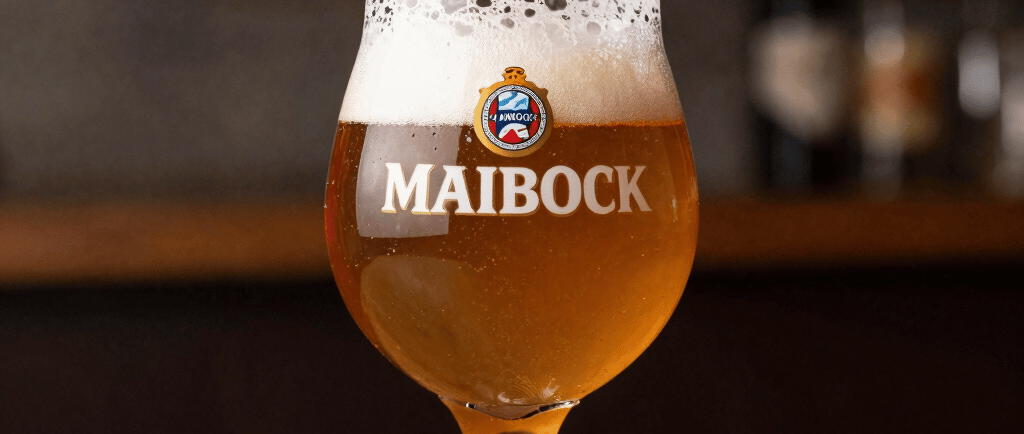
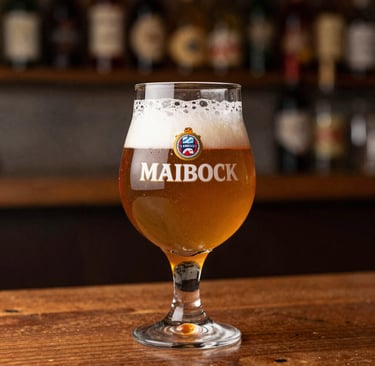
Maibock is renowned for its rich and complex flavor profile that distinguishes it from other lager styles. The beer typically exhibits a vibrant golden or amber hue, accompanied by a dense, creamy white head. On the nose, one can expect an enticing bouquet of bready, toasty malt aromas, often reminiscent of freshly baked bread or warm honey. These aromatic components are complemented by a delicate hop presence that may lend mild floral or herbal notes, enhancing the overall olfactory experience.
Tasting a well-crafted Maibock reveals a smooth mouthfeel followed by layers of flavor. The prominent malt sweetness is balanced by a measure of honey-like or caramel character, providing a pleasant warmth. The underlying flavors often include nutty nuances and hints of biscuit, setting the stage for a delightful transition. As the beer warms, a gentle hop bitterness emerges, counteracting the sweetness and showcasing a slight spiciness that adds complexity. The finish is typically clean and crisp, inviting another sip, which renders Maibock a refreshing yet satisfying option.
When considering food pairings for Maibock, one should approach it with an eye toward dishes that highlight the beer's malt-forward profile. Rich meats such as roasted duck, pork schnitzel, or a hearty beef stew pair wonderfully, as their savory notes complement the honeyed sweetness of the beer. Furthermore, traditional German fare like pretzels, sausages, and various cheeses—particularly creamy domestic or strong-flavored varieties—create a harmonious marriage of flavors. Additionally, incorporating roasted vegetables or dishes with a slight sweetness, such as glazed carrots or figs, can elevate the tasting experience, allowing Maibock to shine as a versatile companion to a delightful meal.
Join
Sign up for recipes, tips, and expert advice
Contact
Subscribe
hello@fermentedcuriosities.com
© 2026. All rights reserved.