The Allure of Pisco: A Deep Dive into Peru's National Drink
What is Pisco, its history, how it is made, and what cocktails is it used in.
SPIRITSTRAVEL
4/4/20267 min read
What is Pisco?
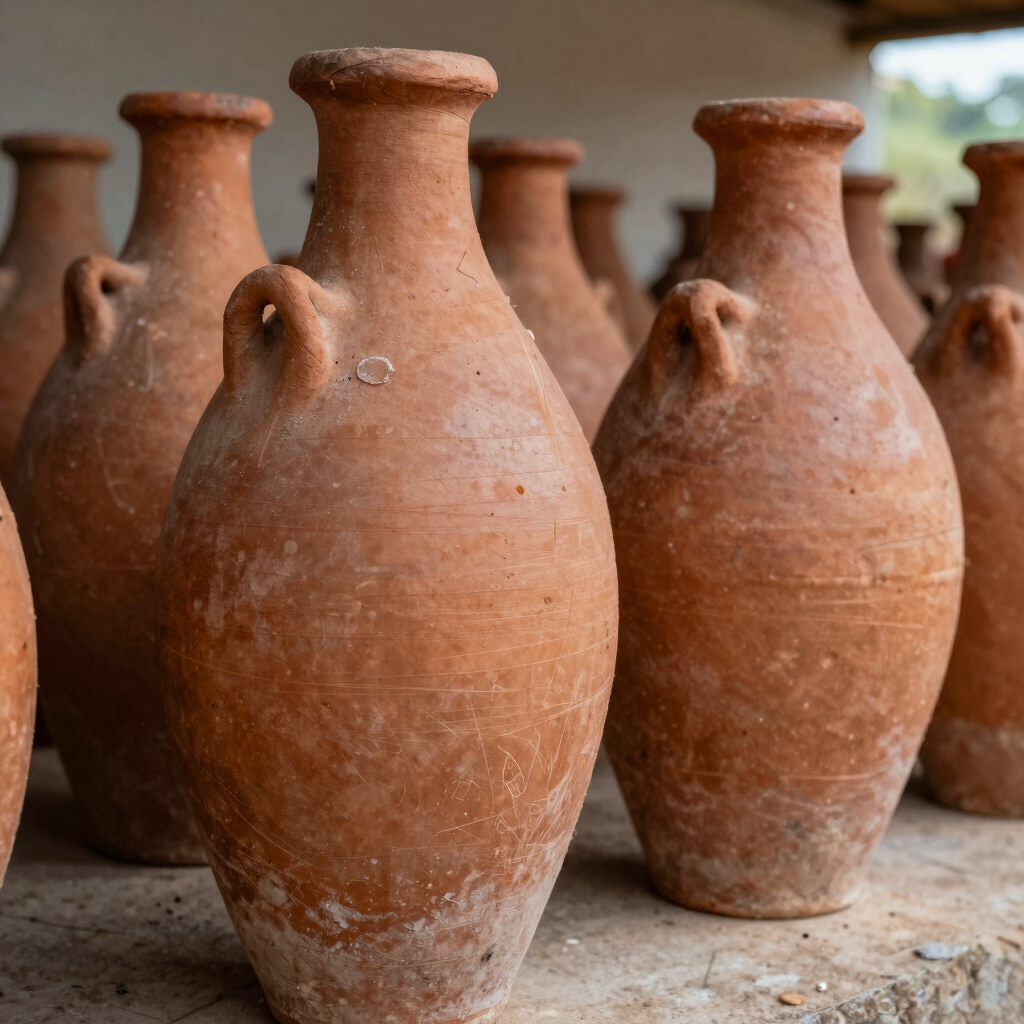
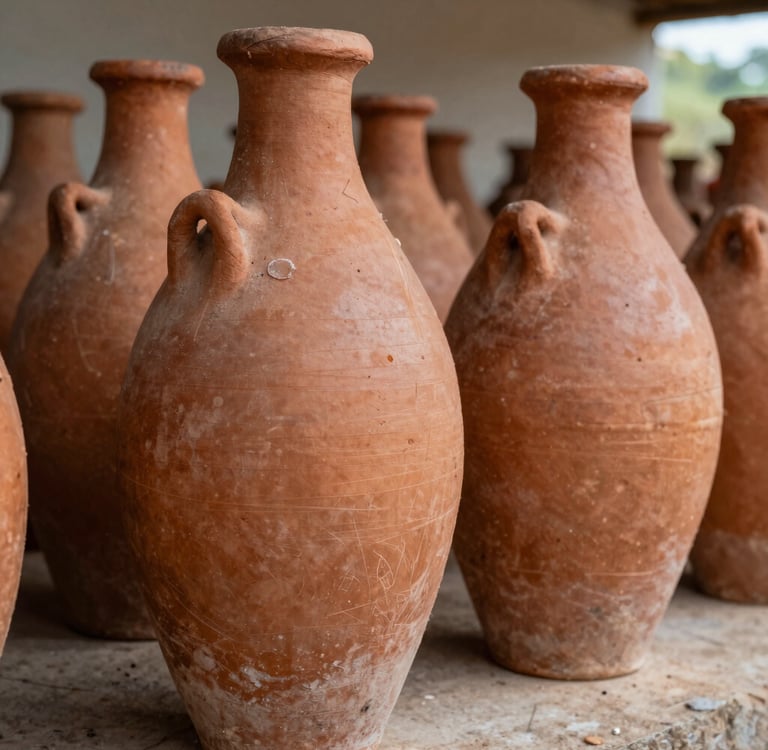
Pisco is a distinctive South American brandy that has garnered recognition as Peru's national drink. This spirit is produced through the fermentation and distillation of fresh grape juice. Its unique flavor profile arises from the specific types of grapes utilized, which can include Quebranta, Muscat, Torontel, and others. These grape varieties endow pisco with an array of aromatic qualities ranging from floral and fruity to herbal and spicy, depending on the chosen grape.
The distillation process plays a crucial role in defining the character of pisco. The production begins with the careful selection of ripe grapes, which are then crushed to extract their juice. This juice undergoes fermentation, converting the sugars into alcohol. Subsequently, the liquid is distilled, often using pot stills, which helps retain the essence of the grapes and imbues pisco with its rich flavors. It is worth noting that pisco is typically bottled without aging in wood, preserving the natural qualities of the grapes.
In terms of color, pisco can appear clear or range from pale yellow to amber, influenced by the grape variety and potential minimal interaction with the production vessels. Legally, pisco is protected by both Peruvian and Chilean regulations, with strict standards governing its production in each country. For instance, Peruvian pisco must be distilled to proof without any additions or alterations, ensuring that consumers are presented with a pure, authentic spirit. Such regulations differentiate pisco from other spirits, reinforcing its status as a unique and culturally significant beverage. Understanding these aspects of pisco offers deeper insight into why this spirit holds such allure for enthusiasts around the world.
The History of Pisco
The origins of pisco can be traced back to the 16th century when Spanish settlers introduced grape cultivation in Peru. These settlers brought with them various vine cuttings from Europe, primarily from the regions of Spain such as Jerez and La Mancha. As these grape varieties adapted to the Peruvian climate, distinct local characteristics emerged in both cultivation and production methods.
By the late 16th century, the distillation process had been perfected, leading to the production of pisco as a distilled spirit. The process typically involved pressing the grapes to extract juice, fermenting the juice, and then distilling it in copper pot stills. The resulting clear spirit was initially consumed locally, as well as being used as a medicinal tonic. As the product gained popularity, it began to play a pivotal role in regional culture.
The cultural significance of pisco became more pronounced during the 18th century, particularly when the spirit was adopted by various social classes across Peru. It was during this time that many iconic cocktails were created, including the Pisco Sour, which showcased the versatility of this national drink. Key historical figures, such as the Peruvian politician and writer José de la Riva-Agüero, started advocating for pisco, contributing to its status as a symbol of national pride.
Throughout the 19th and 20th centuries, pisco further evolved, aided by a series of crises that led to a resurgence in domestic production. The spirit garnered international acclaim and began to appear beyond South America. Today, pisco's reputation continues to grow, both as a heritage drink and a sophisticated spirit enjoyed around the globe. With its rich history, pisco not only reflects the agricultural and distillation heritage of Peru but also embodies a spirit of cultural identity that has persisted through centuries.
The Production Process of Pisco
Pisco, renowned as Peru's national drink, starts its journey as grapes grown in the coastal vineyards of the country. The most commonly used grape varietals include Quebranta, Muscat, and Tocadilla, all of which contribute uniquely to the flavor profile of the final product. The first step in the production process is the harvesting of these grapes, which generally occurs between February and April. This period is critical, as the quality of grapes significantly influences the eventual quality of the pisco.
Once harvested, the grapes are pressed to extract the juice, which is then transferred to fermentation tanks. Fermentation can take anywhere from a week to a month, depending on factors such as temperature and yeast activity. This process converts the sugars in the grape juice into alcohol, a crucial step in developing the character of the pisco. After fermentation, the liquid is referred to as ‘mosto’ and is ready for distillation.
The distillation process is where pisco begins to take shape. Distillers use either pot stills or column stills, with traditional methods emphasizing the use of pot stills for a more authentic taste and quality. The first distillation produces a product known as ‘primera’, which is then distilled a second time to increase the alcohol content and purity. According to Peruvian regulations, pisco must be distilled to a maximum alcohol level of 106 Proof (53% ABV), ensuring that the base grape flavor remains intact.
After distillation, the pisco may undergo aging, although it is not mandatory. Aging occurs in neutral containers, such as stainless steel or glass, to avoid imparting additional flavors from wood. The aging process, which lasts a minimum of three months, allows for the natural integration of flavors. Regulations dictate that if pisco is aged for more than a year, it can be sold as añejo. This attention to detail in the production process guarantees a drink that is true to its origins, reflecting the rich heritage of Peru.
Modern Versions of Pisco
The evolution of pisco has given rise to a variety of modern interpretations that reflect both traditional practices and contemporary tastes. While Peruvian and Chilean pisco are the two most recognized variants, distinct differences separate them, leading to an exciting landscape of flavors and production methods. In Peru, pisco is typically produced from specific grape varieties, including Quebranta and Acholado, using traditional distillation processes that preserve the essence of the grapes. Meanwhile, Chilean pisco may utilize a broader range of grapes and often undergoes aging in wooden barrels, resulting in variations that can be distinctively smooth and complex.
New brands are emerging from both countries, driven by a sense of pride in their heritage and an eagerness to innovate. Artisanal pisco producers are particularly noteworthy, as they experiment with blending techniques, infusing their spirits with new flavors through the addition of unique ingredients such as herbs and spices. This has not only enhanced the traditional pisco experience but has also attracted a younger demographic that seeks diverse and vibrant tasting profiles. Additionally, some producers are focusing on organic and sustainable practices, appealing to eco-conscious consumers who wish to support responsible drinking.
The globalization of pisco is contributing to its rising popularity across international markets, leading to an increased interest in the spirit beyond its home countries. Bars and restaurants worldwide are incorporating pisco cocktails into their menus, highlighting its versatility in mixology. This expansion also encourages collaboration among distillers and bartenders, inspiring innovative pisco-based concoctions that respect traditional elements while appealing to a modern palate. Ultimately, the evolution of pisco continues to transform, blending rich traditions with contemporary creativity.
Cocktails Featuring Pisco
Pisco, Peru's beloved national spirit, has gained popularity around the world for its unique flavor and versatility in cocktails. Among the classic concoctions, the Pisco Sour stands out as a symbol of Peru's cocktail culture. This refreshing drink combines pisco, lime juice, simple syrup, and egg white, resulting in a frothy texture and a balanced tartness. The distinct flavor of the pisco shines through, making it a quintessential starting point for those looking to explore the world of pisco cocktails.
Another noteworthy cocktail is the Chilcano, which offers a different take on this spirit. Made with pisco, ginger ale, lime juice, and bitters, the Chilcano presents a lighter, more effervescent option. Ideal for warm weather, it allows the crisp notes of the pisco to complement the spicy and refreshing elements of the ginger beer. The proportion of each ingredient can be adjusted to suit personal preferences, ensuring an endlessly customizable drink.
The modern cocktail scene has embraced pisco with inventive variations such as the Pisco Negroni and Pisco Martini. These drinks play on traditional cocktail structures, substituting gin or vodka with pisco while retaining the original's complexity. Each of these interpretations offers a new way to experience pisco's nuances.
When mixing drinks with pisco, it is essential to choose high-quality pisco to ensure the best flavor profile. Additionally, pairing pisco cocktails with food enhances the overall dining experience. For instance, the citrus notes in a Pisco Sour can complement seafood dishes beautifully, while the spice of a Chilcano pairs well with grilled meats. This thoughtful pairing not only elevates the flavors of the cocktails but also highlights the versatility of pisco in various culinary contexts.
Cultural Significance of Pisco in Peru
Pisco holds a profoundly significant role in Peruvian culture, serving as a symbol of national identity and pride. The production of this iconic brandy, which is crafted from the fermented juice of specific grape varieties, dates back to the Spanish colonial period. Over centuries, pisco has transcended its origins to become deeply integrated into the social fabric of Peru. It is more than just a beverage; it is a key component of social gatherings and celebrations.
In many Peruvian households, pisco is traditionally served during family gatherings and festive occasions, solidifying its status as a drink of choice that brings people together. Whether it is a birthday celebration, wedding, or holiday, pisco is often present, highlighting its importance in enriching social interactions. The national drink is also featured prominently in various regional festivals, where it is celebrated with tastings and competitions. These events not only showcase the diversity of pisco but also honor the traditions and heritage associated with its production.
The cultural narratives surrounding pisco are numerous, with legends and stories that are passed down through generations. It signifies more than just a drink; it embodies the spirit of Peru and its people. Furthermore, with pisco being recognized as a national emblem, efforts to promote and protect its identity have gained momentum. The government and local producers have become champions for pisco, promoting its historical significance and modern variations worldwide. Such initiatives have helped solidify pisco’s role not just as an alcoholic beverage but as an integral element within the culinary and beverage landscape of Peru, enriching its cultural narrative.
Exploring Pisco: Tastings and Where to Enjoy
Pisco, a versatile spirit with a rich heritage in Peru, invites enthusiasts to engage in its unique flavors through various tasting experiences. To appreciate this iconic drink fully, attending organized pisco tastings can be incredibly beneficial. These events provide an opportunity to sample different types of pisco, allowing individuals to distinguish between the varieties such as Pisco Puro, Pisco Acholado, and Pisco Mosto Verde. Many establishments in Peru, particularly in cities like Lima and Cusco, host these tastings, where knowledgeable guides share insights about each type’s production process and flavor profiles.
For those unable to travel to Peru, international bars and restaurants specializing in Latin American cuisine often feature pisco in their drink menus. Locations with an emphasis on craft cocktails frequently have skilled bartenders adept at mixing the best pisco-based beverages, showcasing its versatility and enhancing appreciation through myriad flavor combinations.
Additionally, pisco festivals in Peru, such as the National Pisco Day celebrations, present an immersive experience. These festivals offer tastings, contests, and food pairings that highlight local cuisine. Attendees can explore traditional Peruvian dishes like ceviche or causa, which complement the spirit's profile beautifully. The freshness and acidity of ceviche, for instance, create a delightful balance with the sweetness and depth of pisco, making it an ideal pairing.
In summary, whether in Peru or abroad, exploring pisco through tastings, festivals, and food pairings enhances the experience of appreciating this celebrated spirit, showcasing its prominence as a national treasure in Peru’s culinary landscape.